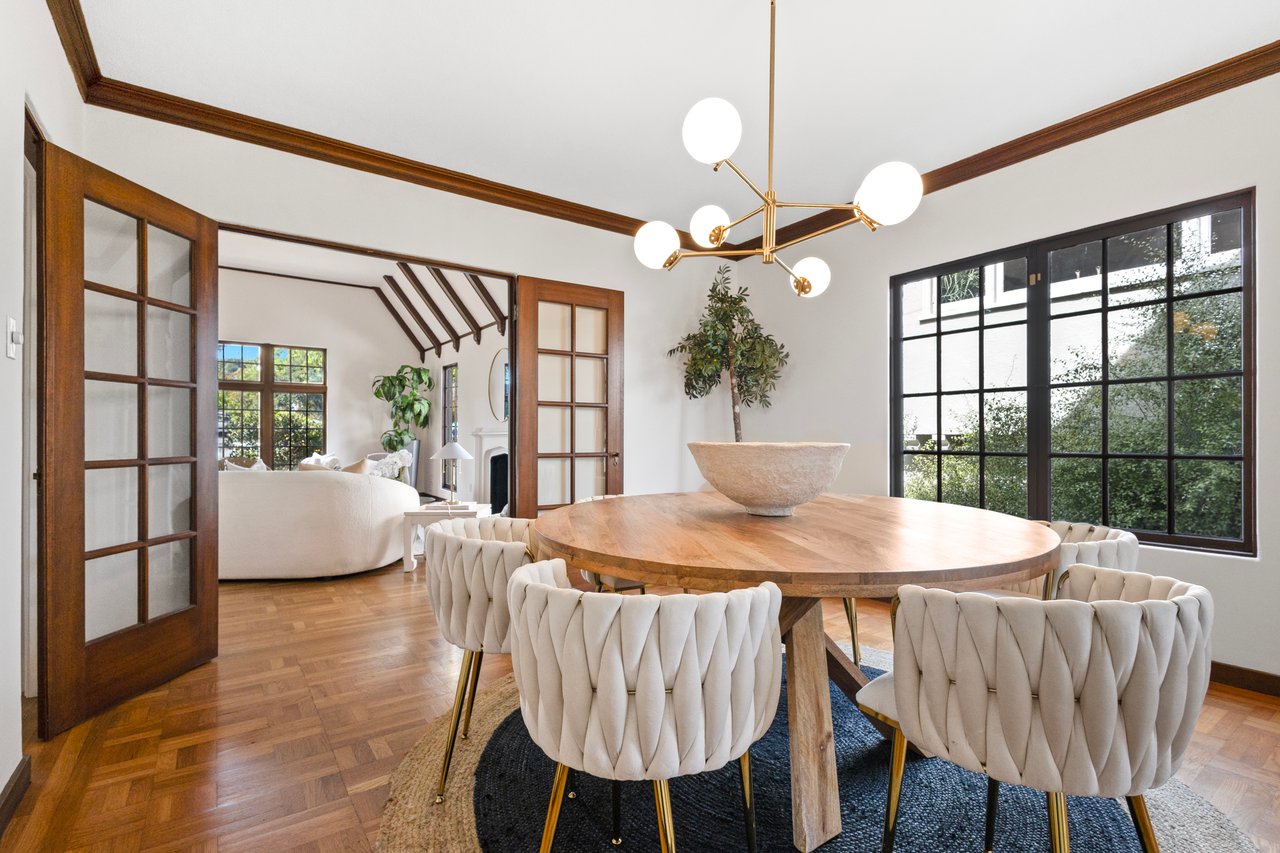
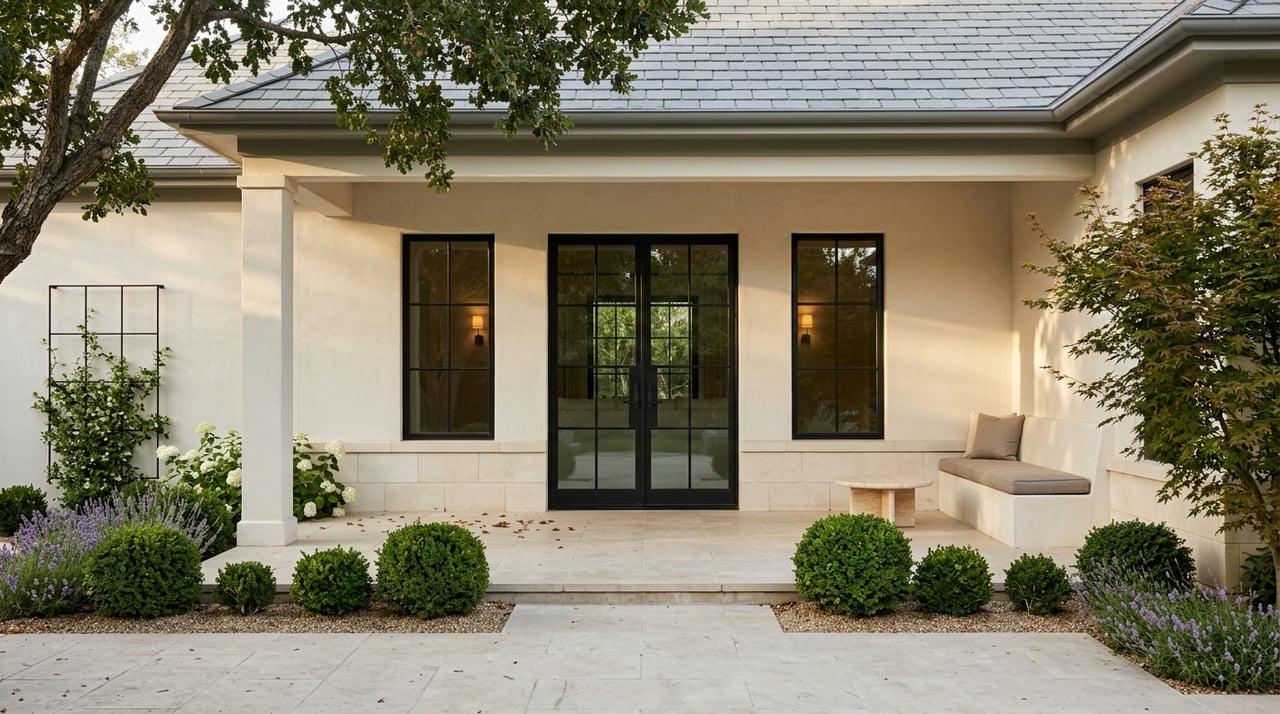
If you are torn between Piedmont, Oakland, and Berkeley, you are not alone. These three East Bay communities sit close together, but they offer very different day-to-day experiences depending on how you want to live, move around, and use your home. If you are trying to balance architecture, commute patterns, neighborhood feel, and lifestyle convenience, this guide will help you narrow the field with more confidence. Let’s dive in.
Start With the Big Picture
A smart way to compare these three markets is to think about scale, housing mix, and daily rhythm. Even though the cities are neighbors, they do not feel interchangeable.
Piedmont is the smallest and most residential of the three. The city describes itself as a 1.7-square-mile charter city with about 11,000 residents, known for parks, gardens, and a compact civic and commercial core. If you want a setting that feels quiet and primarily residential, Piedmont stands apart.
Oakland is the broadest and most varied. It includes 55 shopping districts, a large park system, and a wide mix of neighborhoods and housing types. If you want the most options and the greatest range in lifestyle and architecture, Oakland gives you the widest canvas.
Berkeley sits between the two in feel. Its planning framework emphasizes distinctive neighborhoods and vibrant commercial areas, and its amenity pattern is closely tied to individual districts. If you want a small-scale residential feel with stronger walk-bike-transit access and layered local retail, Berkeley often lands in the sweet spot.
Compare Housing Styles and Home Types
Piedmont homes feel classic and consistent
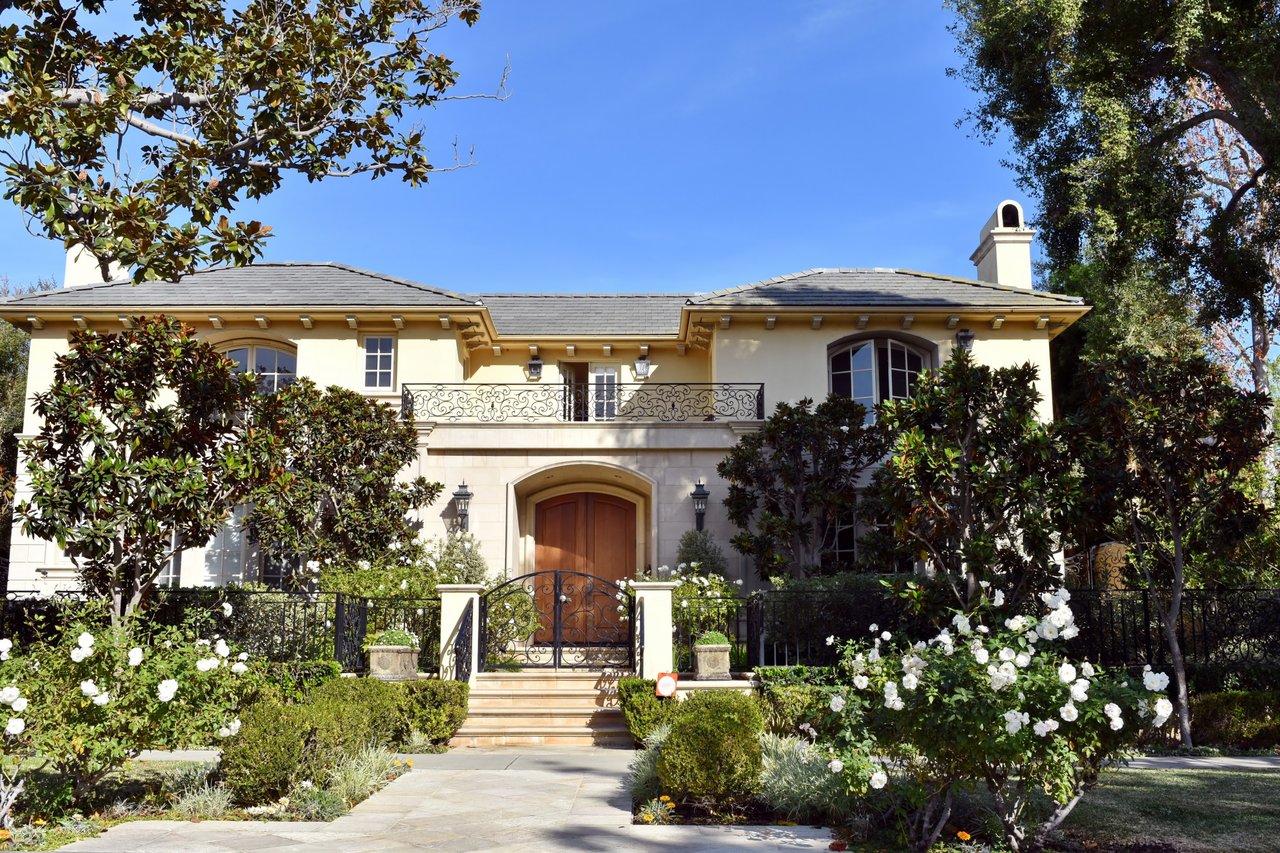
Piedmont has one of the most defined housing patterns in the East Bay. According to the city’s design guidelines and housing materials, roughly 98% of developed residential properties are detached single-family homes, and about 70% of the housing stock was built before 1940.
That history shapes the experience of buying there. You will see a strong concentration of pre-World War II homes, with lot sizes ranging from modest flat parcels to stepped hillside sites and larger estate properties. The overall result is a more uniform housing mix, especially compared with Oakland and Berkeley.
Piedmont’s zoning also reinforces that low-density character. The city uses 10,000-square-foot minimum lots in Zone A and 20,000-square-foot minimums in the Estate zone. For buyers who value space, architectural continuity, and a very residential setting, that can be a major draw.
Oakland gives you the widest range
Oakland offers the broadest mix of home styles and property types. City materials describe Italianate and Victorian homes on narrow lots, along with duplexes, triplexes, fourplexes, post-1930 cottages, California ranch homes, and hillside housing.
That variety means your search can look very different from one neighborhood to the next. Some areas lean historic, some feel more urban, and others offer a more residential hillside pattern. If flexibility matters to you, Oakland gives you more ways to match your budget, style, and space needs.
Oakland’s preservation framework also reflects that range. The city recognizes many different districts and property types, from Old Oakland and Downtown to Jingletown and Carrington Airplane Bungalows. For buyers who enjoy exploring distinct pockets with different personalities, Oakland rewards that curiosity.
Berkeley blends character with evolving options
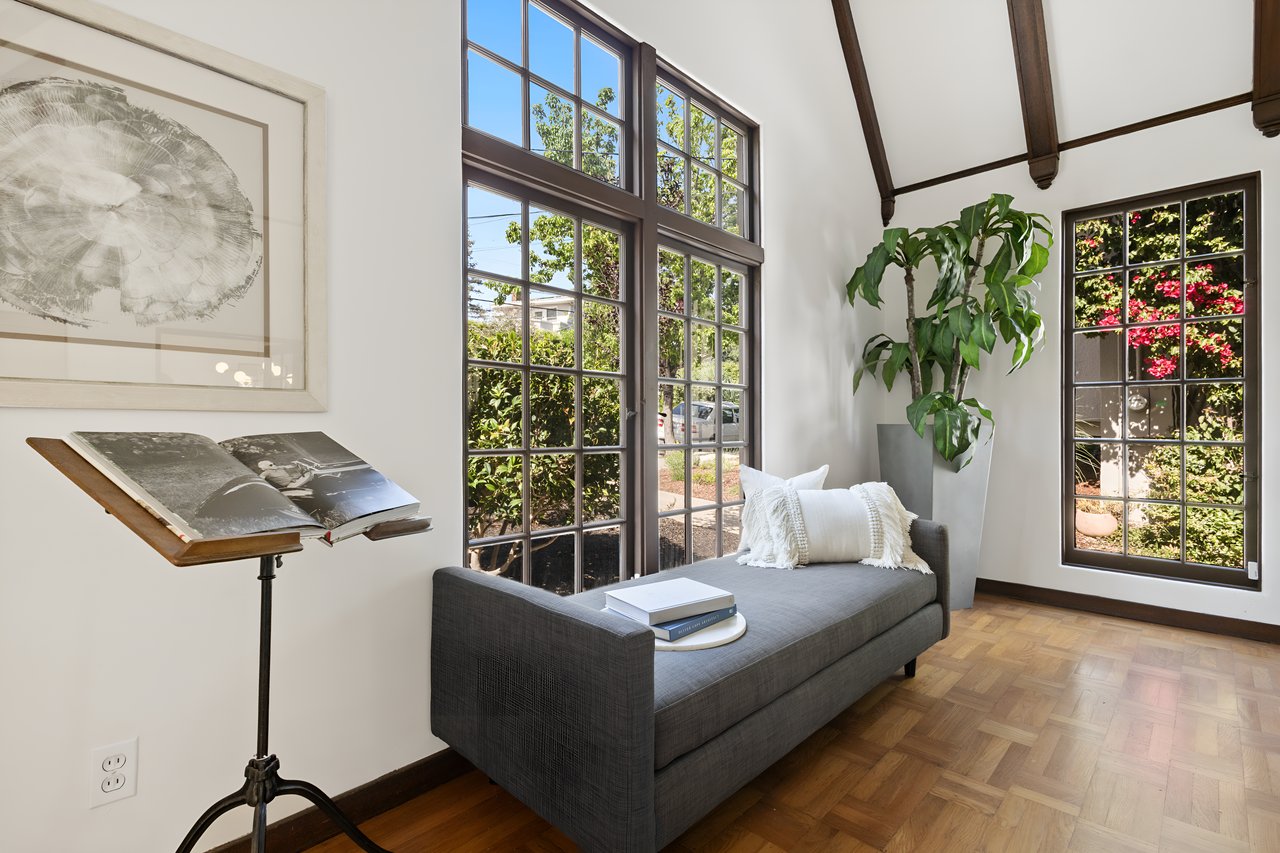
Berkeley has long offered a broad architectural mix, including First Bay Tradition, Craftsman, Colonial Revival, Tudor Revival, and Spanish Colonial Revival homes. That alone makes it appealing to buyers who care about design and neighborhood identity.
What is changing is the housing mix. The city adopted middle-housing zoning effective in 2025 that applies to most residential areas and allows duplexes, triplexes, fourplexes, courtyard apartments, and other small-scale multifamily forms on many single lots outside the Berkeley Hills.
For you as a buyer, that means Berkeley is maintaining a residential fabric that often feels human-scale while also becoming more flexible in housing form. If you want a community that balances charm, access, and evolving inventory types, Berkeley deserves a close look.
Think About Your Commute and Mobility
Piedmont is more car-oriented
Piedmont does not have its own BART station. The city notes that residents typically drive to nearby Rockridge, MacArthur, Fruitvale, or West Oakland stations, or take AC Transit to BART at 19th Street or MacArthur.
The city’s transportation materials show that about 62% of residents drive alone, 17% carpool, 10% use public transportation, 8% work from home, and 2% walk or bicycle. If you do not mind driving for errands or regional transit connections, Piedmont may still suit you well.
For many buyers, the tradeoff is simple. You gain a quieter, more residential setting, but you may rely more on your car for daily movement and commuting.
Oakland offers the most transit variety
Oakland is the most transit-rich of the three. The city maintains resources for walking and biking, BART-linked bike stations at Fruitvale, 19th Street/Uptown, and MacArthur, along with Bay Wheels bike share, car share, scooter share, and commute options tied to BART, AC Transit, and the SF Bay Ferry.
Oakland is also continuing to build active transportation routes along transit corridors, including the East Bay Greenway near Lake Merritt BART and Coliseum BART. For buyers who want choices beyond driving, Oakland provides the deepest transportation network.
That can make a meaningful difference in how you live. If your schedule includes commuting, dining out, or moving between neighborhoods often, broader transit access can open up more flexibility.
Berkeley supports a low-car lifestyle
Berkeley also leans strongly toward non-car travel. The city says public transportation is primarily AC Transit and BART, and its mobility reporting shows that 34% of trips within Berkeley used sustainable modes in 2023.
The city also reports that commuters use sustainable modes more than half the time when work-from-home trips are excluded. Projects like Southside Complete Streets and Milvia bikeway improvements reinforce that walk-bike-transit pattern, and the city is advancing a Berkeley Pier ferry project.
If you picture yourself walking to errands, using transit regularly, or biking more often, Berkeley may align well with that lifestyle. It often feels easier to live locally without depending on a car for every trip.
Look at Everyday Amenities and Street Life
Piedmont feels quiet and contained
Piedmont offers a compact civic experience. The city says it has six city parks, numerous landscaped areas, a community pool, and a compact civic and commercial district.
That can be a plus if you want a calm home base with a strong residential identity. At the same time, Piedmont has a more limited day-to-day retail footprint than Oakland or Berkeley, so many buyers find themselves heading into nearby commercial areas for a broader mix of dining and errands.
In practical terms, Piedmont often works well for buyers who want home to feel tucked away, even if daily convenience sometimes happens just beyond city lines.
Oakland gives you the broadest menu
Oakland offers the most expansive mix of parks, shopping areas, and recreation resources. The city says it has more than 130 parks and public grounds, more than 2,300 acres of landscaping, 25 recreation and community centers, and 55 shopping districts.
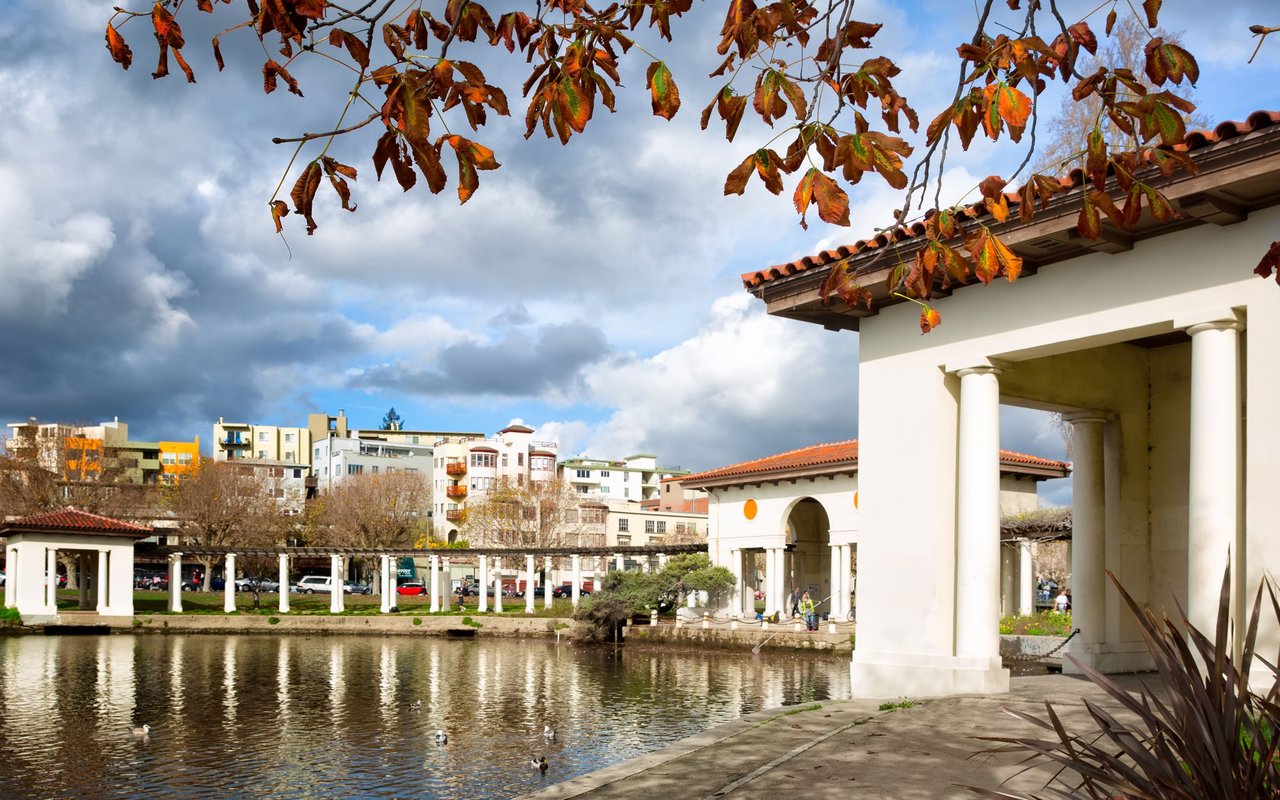
Economic development materials also point to districts with boutiques, art galleries, and local pop-up retail, while Lake Merritt and the waterfront remain major anchors. If you want variety in how you spend your weekends or structure your daily routine, Oakland gives you more places and patterns to choose from.
This is often what makes Oakland feel so dynamic. Your lifestyle can change meaningfully depending on which part of the city you choose.
Berkeley is neighborhood-driven
Berkeley’s amenities are closely tied to its district structure. The city lists commercial district associations for Downtown Berkeley, Telegraph, Elmwood, North Shattuck, Lorin, Fourth Street, Solano, Gilman, West Berkeley, and University Avenue.
That district-based pattern gives Berkeley a layered feel. You can often choose a neighborhood partly based on the retail environment, street activity, and public spaces you want nearby.
For many buyers, Berkeley offers a compelling middle ground. It usually provides more walkable neighborhood retail than Piedmont and a more compact commercial network than much of Oakland.
A Simple Way to Choose
If you are still deciding, focus on the tradeoff that matters most to you. Often, the right answer becomes clearer when you stop comparing everything at once.
Choose Piedmont if you want a quiet, mostly detached-home setting with larger lots and a strongly residential feel. This can be especially appealing if your priority is classic housing stock, privacy, and a more contained city scale.
Choose Oakland if you want the widest range of housing types, historic periods, amenities, and transportation choices. It is often the best fit if flexibility and variety matter more than consistency.
Choose Berkeley if you want strong walk-bike-transit access, neighborhood-based retail, and a residential environment that still feels small-scale while becoming more diverse in housing form. It often works well for buyers who want connection and convenience without giving up character.
How to Match the City to Your Next Chapter
The best move is not always the one with the longest feature list. It is the one that fits how you actually want to live, whether that means a more serene residential setting, a broader menu of urban amenities, or a neighborhood-oriented lifestyle with strong transit access.
In our experience, the most successful buyers start by defining their non-negotiables. Think about home type, lot size, commute style, access to retail, and how much day-to-day activity you want around you. Once those priorities are clear, Piedmont, Oakland, and Berkeley each tell a very different story.
If you are ready to compare homes across these East Bay markets with a more tailored strategy, Debbi DiMaggio can help you find the right fit with local insight and a high-touch approach.
FAQs
What makes Piedmont different from Oakland and Berkeley for homebuyers?
- Piedmont is the smallest and most residential of the three, with a housing stock dominated by detached single-family homes, larger lot patterns, and a compact civic and commercial core.
Which city offers the most housing variety in Piedmont, Oakland, and Berkeley?
- Oakland offers the widest range of housing types and historic styles, including Victorian homes, duplexes, triplexes, fourplexes, cottages, ranch homes, and hillside properties.
How does Berkeley compare for walkability and transit?
- Berkeley strongly supports walk-bike-transit living, with AC Transit and BART as key transportation options and a city mobility pattern that shows substantial use of sustainable travel modes.
Is Piedmont a good fit if you use BART often?
- Piedmont does not have its own BART station, so residents typically drive or take AC Transit to nearby stations such as Rockridge, MacArthur, Fruitvale, or West Oakland.
Which city has the most parks and shopping districts?
- Oakland has the broadest amenity base, with more than 130 parks and public grounds, 25 recreation and community centers, and 55 shopping districts.
How should you choose between Piedmont, Oakland, and Berkeley?
- Start with your top priorities, such as home type, lot size, commute style, transit access, and neighborhood retail, then match those needs to each city’s distinct housing and lifestyle pattern.