If you share your home with a dog or cat, you already know great design has to do more than look beautiful. In Piedmont, where outdoor living, gardens, and classic homes are part of daily life, a pet-friendly home should feel polished, practical, and easy to maintain. The good news is you do not have to choose between elegance and function. With the right materials, built-ins, and yard planning, you can create a home that works for pets today and still feels refined for years to come. Let’s dive in.
Why pet-friendly design matters in Piedmont
Pet-friendly living is not a niche concern. The Insurance Information Institute, citing APPA's 2024-2025 survey, estimates that 71% of U.S. households own a pet. That makes thoughtful pet design relevant for many Piedmont homeowners, whether you are updating a long-time residence or preparing a home for future resale.
Piedmont also has some practical local considerations. Dogs must be leashed in public unless they have an off-leash permit, and owners must clean up after their dogs throughout the city. Current off-leash recreation areas include Blair Park, Dracena Park, and Piedmont Park, which makes it especially useful to have a home setup that supports quick cleanups when you return from walks or park time.
Choose durable flooring first
If you make only one pet-friendly upgrade, start with flooring. Consumer Reports says laminate, porcelain tile, and vinyl are among the most resilient flooring options in high-traffic testing, and it specifically notes that tile resists wear, moisture, scratches, and stains. Those qualities matter in homes where paws, water bowls, and daily movement can put surfaces to the test.
In a Piedmont home, the smartest approach is often to use hard surfaces in the most active zones and layer in softness where it adds comfort, not maintenance. That helps your home feel warm and elevated without asking every surface to absorb daily pet traffic.
Best flooring for entry zones
Entries and mudrooms tend to take the most abuse. Wet paws, dirt, and leaves all arrive here first, so porcelain tile or another very resilient surface can make everyday cleanup easier. These materials also support a more intentional drop zone for leashes, towels, and pet supplies.
Smart flooring for living spaces
Family rooms and everyday gathering areas need to balance durability and style. Consumer Reports notes that many luxury vinyl planks can closely resemble real wood, which makes them appealing if you want a warm look with easier upkeep. In a home with pale woods, quiet neutrals, and classic Piedmont character, that can be a practical fit.
Moisture-friendly rooms to prioritize
Bathrooms and laundry rooms also deserve attention. These spaces already handle moisture, and they often make sense for pet cleanup routines. Choosing flooring that tolerates water and frequent cleaning can help these rooms work harder without looking overly utilitarian.
Add pet features that blend in
The most successful pet-friendly homes do not feel themed around pets. Instead, they integrate pet function into the architecture so rooms stay calm, organized, and visually quiet.
Houzz design examples commonly feature built-in dog beds, pet wash stations, cat perches, tunnels, and discreet litter-box solutions tucked into mudrooms, laundry rooms, kitchens, or cabinetry. The takeaway is simple: when pet needs are built into the home, the result often feels more luxurious, not less.
Built-ins that feel intentional
Consider features that disappear into millwork or existing storage zones, such as:
- A crate niche designed to read like cabinetry
- Pull-out food bins inside a pantry or lower cabinet
- A built-in feeding station near the kitchen or mudroom
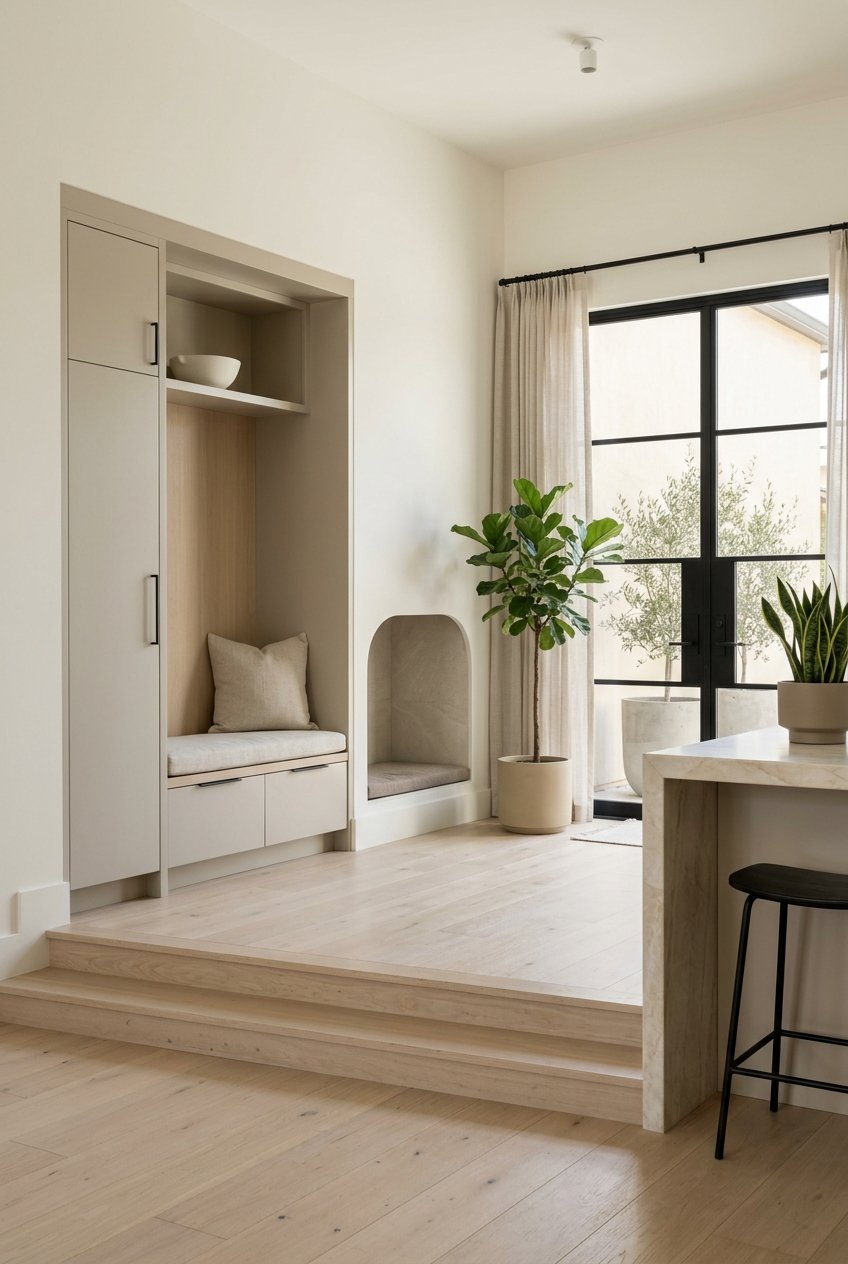
- A bench nook with space below for a pet bed
- A concealed litter-box cabinet in a laundry room
Architectural Digest highlights hidden storage and built-in furniture as a way to keep spaces uncluttered. In practice, that supports pet-friendly millwork choices that help your home stay tidy while preserving a polished look.
Think about future flexibility
If resale is part of your long-term plan, favor upgrades that can be repurposed easily later. A storage cabinet can become general household storage. A crate alcove can convert to closed shelving. A feeding drawer can become utility storage.
That flexibility matters because the most buyer-friendly pet upgrades are usually the ones that stay visually subtle. They serve your life now without limiting how the space can function later.
Design a yard that is beautiful and resilient
Outdoor space is one of the joys of Piedmont living, but pet-friendly landscaping needs to do more than look lush. It should be durable, easy to maintain, and thoughtful about drainage.
EBMUD's landscape resources emphasize water-wise gardening, mulch, drip irrigation, and the use of native and Mediterranean plants. EPA guidance adds that rain gardens can help capture runoff and filter pollutants, while stormwater can carry pet and yard waste. Together, those points support an outdoor plan that is elegant, easier on resources, and more manageable with pets.
Focus on drainage and surface durability
Piedmont's experience at the former Linda off-leash area offers a useful local reminder. The area was closed because of erosion and runoff concerns, and the hillside is now being restored. For homeowners, that makes drainage, slope stability, and durable ground surfaces especially important when planning outdoor pet areas.
If your yard includes a slope, active play zone, or a frequently used side yard, think carefully about how water moves through the space. A pet-friendly yard should be easy to hose down, drain cleanly, and hold up well over time.
Keep front-yard rules in mind
Exterior pet projects need to fit Piedmont's review structure. According to the city, some fences and fence-plus-retaining-wall combinations up to 6 feet tall and not in a street setback may avoid planning review. But fences, gates, retaining walls, or other site features in a front setback or within 20 feet of the front property line can trigger design review.
Piedmont also requires residential owners to landscape required street setback areas except paved ingress and egress. That means a front yard generally cannot be converted heavily into hardscape just for pet use. If you are considering a dog run, gate, enclosure, or retaining feature, it is wise to check the city requirements early in the planning process.
Choose plants with pets in mind
Plant selection should be both aesthetic and practical. Before finalizing your landscape plan, check plant choices for pet toxicity. The ASPCA's toxic-and-non-toxic plant database is a useful screening tool, and it also notes that even non-toxic plants can still cause stomach upset if pets chew them.
This is one of those small planning steps that can help you avoid larger problems later. It is especially useful when refreshing garden beds, adding containers, or reworking a yard after a renovation.
Plan for easy maintenance
Piedmont prohibits gasoline-powered leaf blowers, so exterior cleanup relies on electric or battery tools, as well as smart planting choices. For pet owners, lower-debris landscapes can be especially helpful because they tend to stay tidier and require less frequent cleanup.
Groundcovers, mulched beds, and plantings that do not constantly shed into walkways can make a big difference. The goal is not just a pretty garden. It is a garden that supports real life with less effort.
Create a better daily routine
Some of the best pet-friendly improvements are not flashy. They simply make your home easier to live in every day.
A well-planned entry can hold towels for wet paws. A laundry room can double as a cleanup zone. A built-in cabinet can hide food, treats, and leashes that might otherwise collect on counters. These choices reduce visual clutter and help your home feel calm.
In a style-conscious market like Piedmont, that balance matters. You want a home that supports your lifestyle while still presenting beautifully, whether you are enjoying it yourself or thinking ahead to future market appeal.
Pet-friendly updates that support resale
Because pet ownership is so common, many pet-friendly upgrades can have broader appeal when they are done thoughtfully. Durable floors, concealed storage, and multiuse built-ins are not just practical for pet owners. They also support clean presentation, flexible living, and lower day-to-day wear.
That is why the safest improvements are usually the most versatile ones. Rather than creating highly specialized features with narrow use, focus on upgrades that look beautiful whether or not the next owner has pets.
A porcelain-tile mudroom, discreet storage cabinet, or attractive yard with strong drainage can appeal to a wide range of buyers. In other words, the best pet-friendly design often overlaps with the best everyday design.
If you are thinking about updates with future value in mind, a local perspective helps. In a place like Piedmont, details such as setbacks, landscaping expectations, and the visual impact of exterior changes can all shape how an improvement feels and functions.
If you are planning a refresh, renovation, or eventual move in Piedmont, thoughtful design choices can help you enjoy your home now and protect its long-term appeal. For tailored guidance on how lifestyle updates fit into the local market, connect with Debbi DiMaggio.
FAQs
What flooring is best for a pet-friendly Piedmont home?
- Consumer Reports favors laminate, porcelain tile, and vinyl for durability in high-traffic areas, with tile standing out for resistance to wear, moisture, scratches, and stains.
Do I need a permit for a fence or dog run in Piedmont?
- It depends on the height and location. Some fences up to 6 feet tall and not in a street setback may avoid planning review, but fences, gates, and retaining walls in or near setbacks can trigger design review.
What outdoor design features matter most for pets in Piedmont?
- Durable surfaces, good drainage, slope stability, and easy-clean landscape planning are especially important, particularly because runoff and erosion are local concerns.
How can I add pet features without hurting resale appeal?
- Focus on visually quiet, flexible upgrades such as durable flooring, concealed storage, and built-in nooks that can be repurposed later.
What should I know about plants in a pet-friendly Piedmont yard?
- Check plant choices with the ASPCA toxic-and-non-toxic plant database before installing them, and remember that even non-toxic plants can still cause stomach upset if a pet chews them.
Are there local rules for dog owners in Piedmont parks and public spaces?
- Yes. Dogs must be leashed in public unless they have an off-leash permit, and owners must clean up after their dogs in all areas of the city.