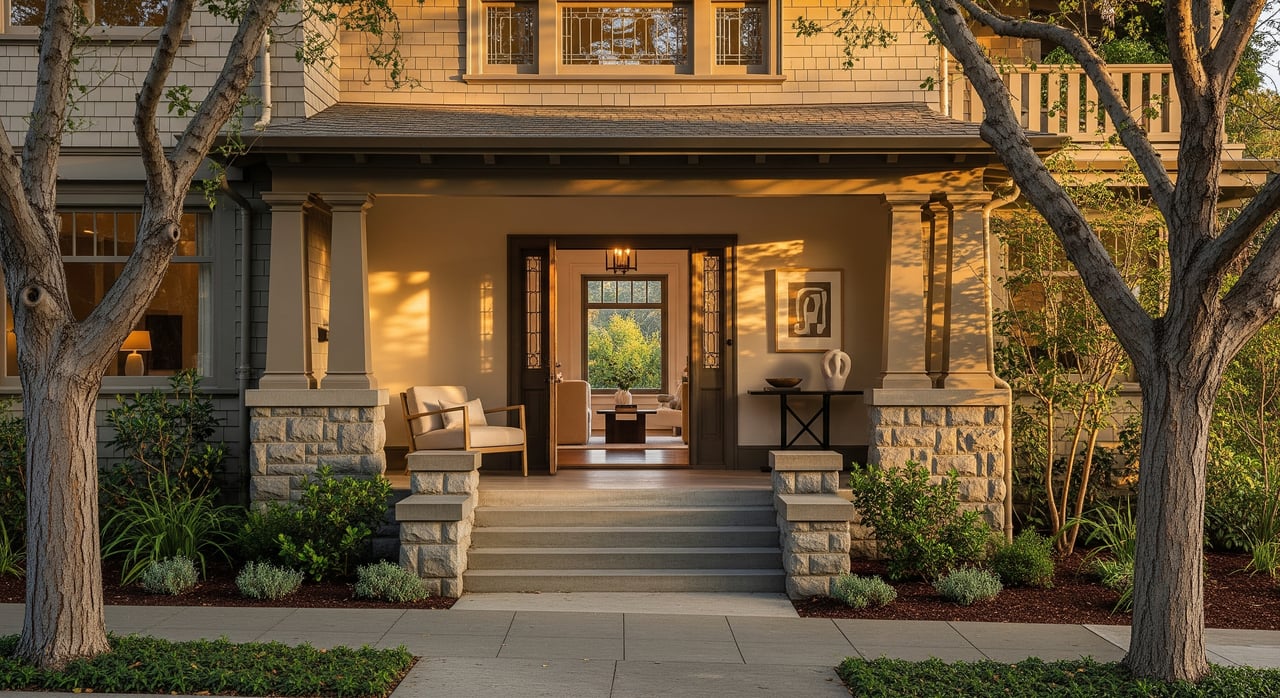
Thinking about dropping into a Piedmont open house this weekend? In a small, high-value market, the experience can feel a bit different from what you see in larger cities. You want to make the most of every visit, understand the process, and stay strategic without overexposing your interest. This guide walks you through timing, sign-ins, disclosures, etiquette, and how to read competition so you can tour with confidence. Let’s dive in.
Piedmont open house basics
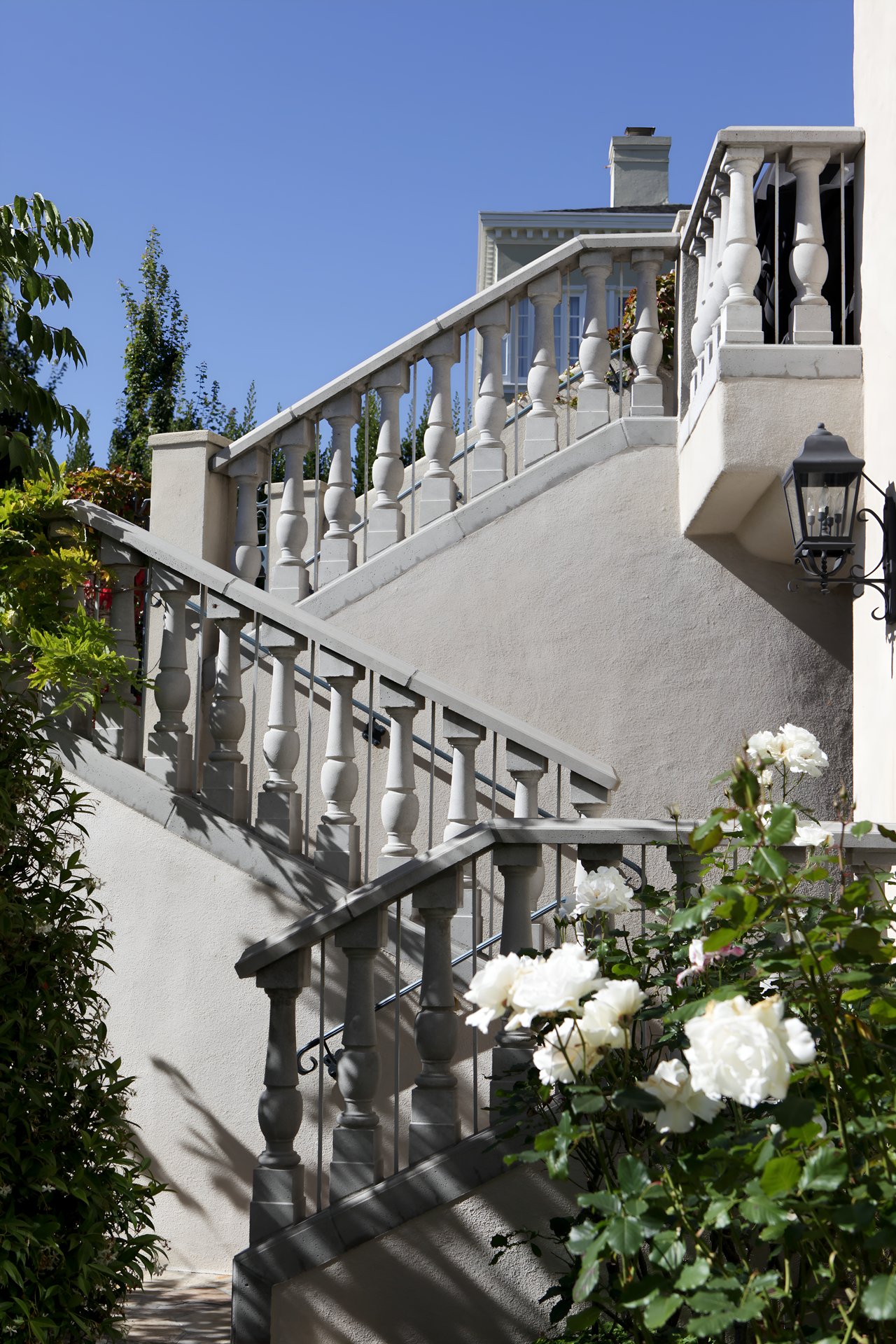
Piedmont is a close-knit, mostly single-family community surrounded by Oakland and near Berkeley. Streets can be narrow, parking can be tight, and many homes are older and architecturally distinctive. These factors shape how agents prepare, staff, and host open houses. In a higher-priced, lower-inventory market, you may see fewer but more serious visitors, and some homes limit public hours or offer appointment-only showings, especially at the upper end.
When open houses happen
Most Piedmont open houses run on weekends. Common windows are late morning to early afternoon on Saturday, and early to mid afternoon on Sunday. Times vary by listing agent, but you can plan around roughly 11:00–2:00 on Saturdays and 1:00–4:00 on Sundays.
Spring typically brings the most open houses and buyer activity. Late fall and winter often see fewer events, though serious buyers still tour and sellers may hold opens year-round. Virtual tours remain common, and some high-end listings combine a single public open house with private showings by appointment. If you want a quieter visit, try arriving right at the start or just before the posted end time.
What to expect at the door
You will likely be asked to sign in with your name, email, and phone number. Some agents request ID for security. Your information helps the listing agent follow up and track interest. If you prefer limited follow-up, provide only what you are comfortable sharing within the agent’s stated policy.
Be prepared to remove shoes or use provided shoe covers to protect floors. Masking is usually optional, but follow any posted requests. Agents may limit the number of people inside at once to protect the home and ensure a safer, more pleasant experience. Ask about photo policies before taking pictures, since some sellers restrict interior photography for privacy.
Disclosures to request
California open houses often provide printed or digital disclosure packets. If paper is limited, you can request a digital copy. Aim to review key documents early, especially if you think you might write quickly.
Common items include:
- Transfer Disclosure Statement (TDS). Seller’s written disclosure of known property conditions for most residential sales.
- Natural Hazard Disclosure (NHD) report. Indicates whether the property is in a designated hazard zone such as flood, fire hazard, or near an earthquake fault zone.
- Lead-based paint disclosures and pamphlet. Required for homes built before 1978.
- HOA documents and resale disclosures. For properties in associations, these materials outline rules, fees, and any known assessments.
- Mello-Roos or special tax disclosures. If applicable, these explain special taxes tied to the property.
- Agency disclosure forms. Clarify who the agent represents in the transaction.
- Seller questionnaires and known defects lists. Provide additional context about condition and repairs.
You have the right to read disclosures before making an offer. If you do not receive them at the open house, ask the listing agent or work with your own agent to obtain digital copies.
Parking and neighborhood respect
Curb space in Piedmont is limited. Do not block driveways, fire hydrants, or narrow roadways, and always follow posted parking signs. If the street looks crowded, consider carpooling or using a ride service. Be courteous to neighbors and avoid loud conversations outside.
If the home is part of an HOA, community rules may affect where signs can be placed and where visitors can park. When in doubt, ask the hosting agent for guidance and watch for posted rules.
Etiquette inside the home
Treat every open house like a brief appointment, and be mindful of the seller’s space.
- Remove shoes or use covers if requested, and keep food and drinks outside.
- Supervise children closely. Avoid bringing pets unless allowed.
- Do not open drawers or cabinets unless the agent invites you to do so.
- Ask before taking photos and keep your volume moderate.
- Keep your visit purposeful. If you are serious, schedule a private showing for deeper inspection.
Gauge interest without overexposure
In a competitive market, you can learn a lot at an open house without signaling your intentions. Avoid telegraphing urgency, price flexibility, or plans to waive contingencies in public.
Use neutral, information-seeking questions:
- “How long has the property been on the market?”
- “Have there been any price adjustments?”
- “Are there known issues, assessments, or HOA topics I should review?”
Observe the turnout and pacing. Are several groups lingering? Is the agent managing a line at the door? These cues can hint at demand. Your buyer’s agent can privately review days on market and price history, and call the listing agent to gauge interest and showing volume. If interest appears high, plan a private showing and a quick strategy session to decide next steps.
When to book a private showing
If a home checks your key boxes and you are considering an offer soon, request a private showing as quickly as possible. A one-on-one visit gives you time to look closely, ask detailed questions, and walk through disclosures without distraction. It also allows private, candid strategy with your agent.
Preparation helps in Piedmont’s low-inventory environment. Have your mortgage pre-approval or proof of funds ready. Discuss which contingencies you intend to keep or adjust, and whether an escalation clause makes sense for your situation. Flexibility on timing, such as a preferred closing date that suits the seller, can also strengthen your position.
Open house checklist
Use this quick list to plan a smooth visit.
What to bring:
- Government ID if you are comfortable providing it when requested
- Notepad or phone for notes and room measurements if permitted
- A short list of questions suited to the property
- Comfortable, easy-on shoes and a face mask if you prefer
What to do:
- Check posted hours and arrive at the start or near the end to avoid crowds
- Park legally and be courteous to neighbors
- Sign in and request disclosures in digital form if preferred
- Ask about shoe covers and photo policies
- Take brief notes and highlight must-have features or concerns
- If you are very interested, schedule a private showing and strategy call promptly
What not to do:
- Do not reveal your budget, timing pressure, or willingness to waive contingencies in public
- Do not move staging or touch personal items without permission
- Do not linger excessively if the home is busy
- Do not bring pets unless explicitly allowed
Work with a local advisor
The right guidance helps you tour with confidence and act quickly when you find the one. A local, high-touch team can coordinate private showings, request and organize disclosures, and help you read the room without overexposing interest. If you are getting serious about a Piedmont home, it is worth having a brief strategy session before the next weekend.
Ready to move from touring to winning? Schedule your VIP consultation with Debbi DiMaggio for discreet support, private showings, and a clear plan tailored to your goals.
FAQs
What are typical Piedmont open house hours?
- Most open houses run weekends, commonly around 11:00–2:00 on Saturdays and 1:00–4:00 on Sundays, with more activity in spring and fewer events in late fall and winter.
Do I have to sign in at a Piedmont open house?
- Expect to provide your name, email, and phone, and sometimes ID; share only what you are comfortable with within the agent’s policy, and ask your agent for guidance on privacy.
Which disclosures should I request in California?
- Ask for TDS, NHD, lead-based paint materials for pre-1978 homes, HOA documents if applicable, any Mello-Roos or special tax info, agency disclosures, and seller questionnaires.
How can I tell if a home might get multiple offers?
- Observe turnout and interest during your visit, check days on market and price history through your agent, and have your agent call the listing agent to gauge activity.
Are photos allowed during Piedmont open houses?
- Policies vary by seller; ask the hosting agent before taking interior photos, and respect any restrictions for privacy and security.
Is it better to arrive early or late to an open house?
- Arriving at the start or near the end can reduce crowds, improve parking options, and give you a bit more time to ask questions.
What should I know about parking near Piedmont open houses?
- Streets can be narrow with limited curb space; follow posted signs, avoid blocking driveways or hydrants, and consider carpooling or a ride service if the area looks tight.