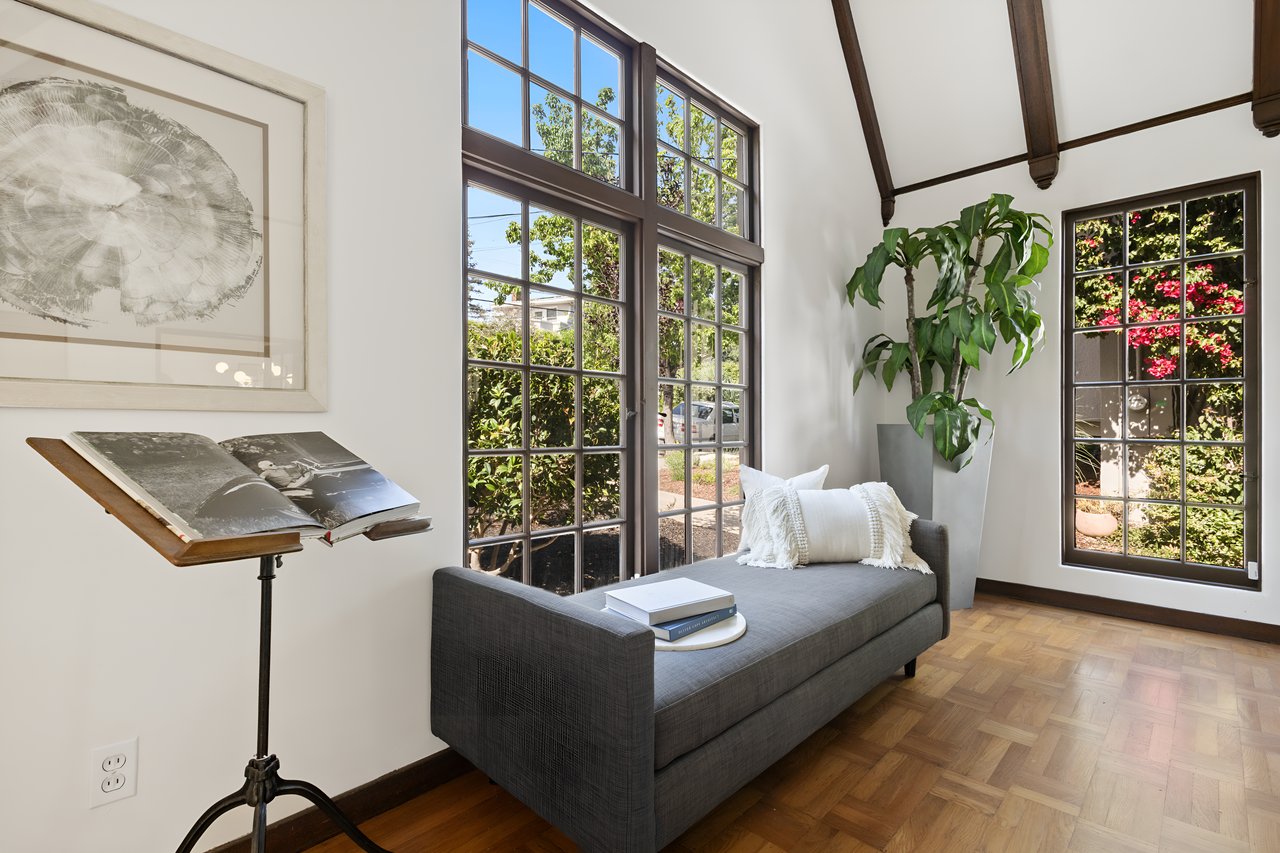
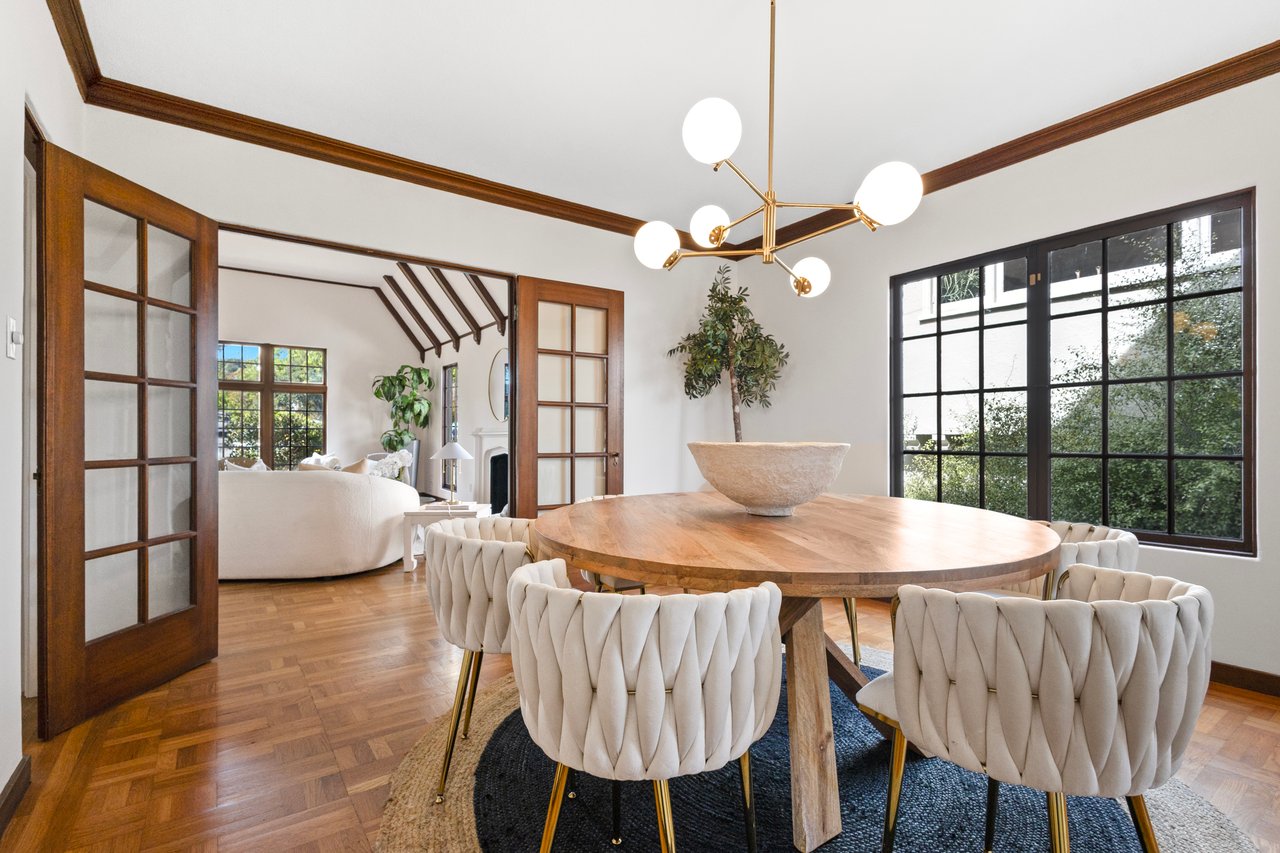
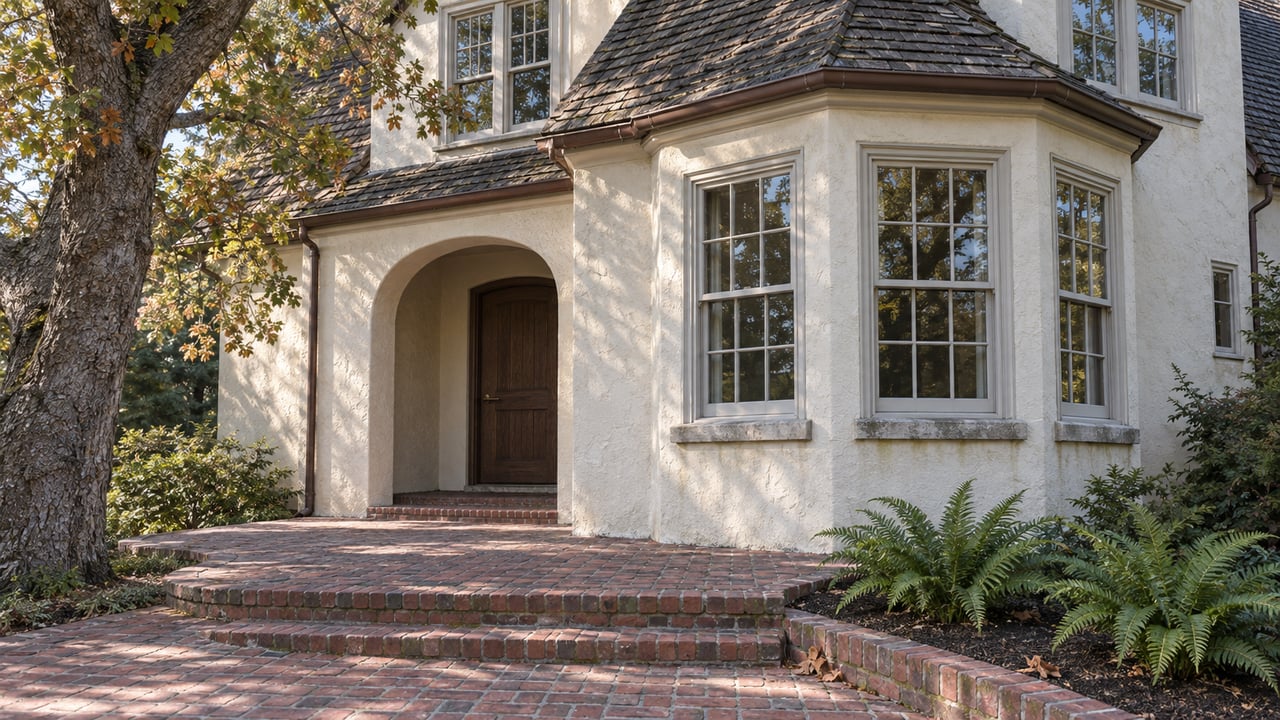
Picture two Piedmont houses built a few years apart, with the same square footage and the same 1920s millwork. One can take a heat pump water heater and an induction range almost as soon as the boxes arrive. The other may need a bigger electrical service, a PG&E load assessment and a trench across the front garden first. The listing sheet doesn't show the difference, but the City of Piedmont's own data says it's common.
In October 2026, after two years of research and community input, the City released its Draft Home Electrification Strategy. Its biggest finding for anyone comparing older homes is that the appliance is rarely the hard part. The service line feeding the house is.
What the City Found Inside Piedmont's Houses
The strategy opens with the housing stock. About 95 percent of Piedmont homes were built before 1974. They average about 1,000 square feet more than homes in neighboring communities, and their average Home Energy Score is 3.4 out of 10, against 5.4 for Alameda County. Large, old and leaky homes all need more electrical capacity once the gas comes out.
Most of them don't have it. According to the strategy, Home Energy Score data show that more than half of Piedmont homes have no spare electrical panel capacity. About a quarter also get their power through underground connections "that would require significant cost to trench and upgrade."
The City's electrification guidance shows what that gap looks like in amps. New single-family homes and detached ADUs in Piedmont typically have at least 200 amps of service. Most existing homes in town likely have only 60 to 100 amps.
Gas is still in most kitchens and utility rooms. The strategy's analysis found gas cooktops in 88 percent of assessed homes and heat pump water heaters in fewer than 1 percent of Piedmont homes.
Why PG&E Sets the Pace, Not City Hall
Residents who had tried or finished electrification projects complained about the time and cost of permits. City design review and permitting came up, but PG&E's requirements and process for electrical upgrades "were more often identified as a barrier to action."
The City's own figures show why. It estimates a panel upgrade at $1,500 to $5,000 depending on the number of circuits. The work itself takes 8 to 10 hours, but scheduling it with PG&E "may take a month or more." The electrician's day is short. Getting on the utility's calendar is what takes the time.
PG&E's panel upgrade guide adds its own steps. A load assessment can take up to 30 days, and a single-family customer may be asked for an advance of up to $5,000, which is refundable or credited against the balance. PG&E says the full timeline depends on how complex the project is and how many requests it has, and it gives no total end-to-end estimate.
So the timeline for electrifying an older house depends mostly on a utility process the owner doesn't control, and it gets longer when the service is underground. That hits the quarter of Piedmont homes with buried connections hardest. Readers who know our piece on Piedmont's sewer lateral rule will see the same pattern: the infrastructure question is really a scheduling question.
Electrical Service in Older Homes
The City's guidance discusses service size, lower-power appliances and "smart circuit splitters" for sharing circuits.
Because Piedmont has so many distinct micro-areas and each house has its own renovation history, this varies house by house, not street by street. These are the questions worth adding to a buyer's due diligence on an older Piedmont home:
- What is the service amperage, and how much of it is already in use?
- Does power reach the house overhead or underground?
- Which appliances still run on gas: furnace, water heater, range, dryer?
- Is there a Home Energy Score report, and how recent is it?
Appliance Standards and the Remodel Reach Code
The Bay Area Air District's appliance standards. The Air District board was scheduled to consider a proposed Rule 9-6 amendment on November 4. According to the Air District's October 2026 staff report, it would move the small water heater date to January 1, 2028 and the date for larger water heaters to January 1, 2033.
Piedmont's remodel reach code. The Council passed Ordinance 786 N.S. on December 1, 2025. As of October 31, 2026, Piedmont was not on the Commission's list of approved 2025-cycle local ordinances.
What the City Is Building Around the Bottleneck
The draft strategy is voluntary. It proposes 15 programs over five years and adds no new requirement for residents to replace gas appliances. Several of the programs go straight at the service-capacity problem. A free smart panel pilot would help a limited number of homes manage electrical demand. A later phase would study, at an estimated $75,000 in consulting costs, whether neighbors could coordinate service and panel upgrades as a multi-home bulk installation. That approach fits a town where a quarter of homes share the trenching problem. A no-cost home electrification planning pilot, estimated at $500 to $1,000 per home, would help households decide what order to do upgrades in.
A seven-member community Task Force shaped the plan: Bob Tuck, Indira Balkissoon, Jeffrey Nguyen, Julie Lindsey, Kelly Brezovec, Mary Gandesbery and Ren Orans. Adoption was item 3 on the regular agenda for the City Council's November 2 meeting.
There is already money for the panel itself. The City's Home Electrification Rebate program relaunched July 1, 2026. It offers panel rebates of $900, $1,800 or $2,250 by income tier, heat pump water heater rebates of $800, $1,600 or $2,000, and $2,500 at every income level for removing the gas meter. Since September 1, 2026, heat pump heating and cooling rebates have been limited to moderate- and low-income households, with moderate income defined as at or below 120 percent of Alameda County Area Median Income. Rebates are first come, first served, and funding is not guaranteed.
Frequently Asked Questions
Where can residents comment on the strategy?
The City accepts comments at [email protected] and posts the draft at piedmont.ca.gov/ElectrificationStrategy.
If you're weighing an older Piedmont home and want to know what's behind the walls and at the street before you commit, or you're preparing to sell and want to present your home's electrical story clearly, Debbi DiMaggio and the DiMaggio Betta Group would be glad to walk through it with you. Schedule your VIP consultation, and visit our buyers page to see how we guide clients from first showing to closing.