If your Piedmont home has beautiful architecture, mature trees, or even a glimpse of a view, your outdoor spaces should feel just as thoughtful as the interiors. In a market where view and landscape are among the features most associated with stronger sale-to-list performance, outdoor living is not just about adding amenities. It is about creating comfort, preserving character, and making choices that fit the home, the lot, and the city’s design standards. Let’s dive in.
Why outdoor living matters in Piedmont
Piedmont is a design-conscious market with a strong sense of architectural heritage and neighborhood compatibility. The city’s design review standards emphasize aesthetic values, residential character, natural beauty, and harmony with surrounding properties.
That matters when you plan an outdoor upgrade. In many cases, the best outdoor spaces in Piedmont do not feel flashy or detached from the home. They feel integrated, refined, and well-scaled to the lot.
There is also a practical reason to invest in outdoor living here. Nearby climate data shows a mild pattern, with an annual mean temperature of 59.6°F, annual precipitation of 22.61 inches, and almost no summer rain. That gives you the chance to enjoy outdoor dining, lounging, and entertaining for much of the year, as long as you plan for drainage, shade, and durable materials.
Start with the house and site
Before picking furniture, lighting, or a fire feature, look at the fundamentals. Piedmont lots often come with slope, mature landscaping, and strong architectural identity, so the most successful plan usually starts with what is already there.
Ask yourself a few simple questions:
- Where are your best sightlines?
- How does the yard connect to the main living spaces?
- Which trees or landscape features give the property its character?
- Where do drainage, grade changes, or privacy concerns shape the layout?
This approach is especially important in Piedmont because approved designs should have little or no effect on neighboring properties’ views, privacy, and access to light. A well-planned outdoor space should feel generous to you without overwhelming the setting around it.
Create view terraces on sloped lots
On many Piedmont properties, slope is not a limitation. It is part of the opportunity. The city allows terracing in certain cases when vertical elements are separated and landscaping and drainage are adequate, which makes terraces a natural strategy for hillside and split-level sites.
A terrace can turn a difficult yard into a series of usable outdoor rooms. Instead of one dominant retaining wall, consider layered levels with planted separation, comfortable seating, and visually light materials that preserve sightlines.
In Piedmont, that lighter touch matters. Redfin trend data identified view as one of the top value-associated features in the city, so a terrace should help you enjoy and frame the outlook, not compete with it.
Tips for elegant terracing
- Break grade changes into smaller, planted levels
- Use retaining elements that feel quiet and proportional
- Preserve open sightlines where possible
- Plan drainage early, not as an afterthought
- Connect terraces to indoor spaces for a natural flow
Design outdoor rooms that feel like extensions
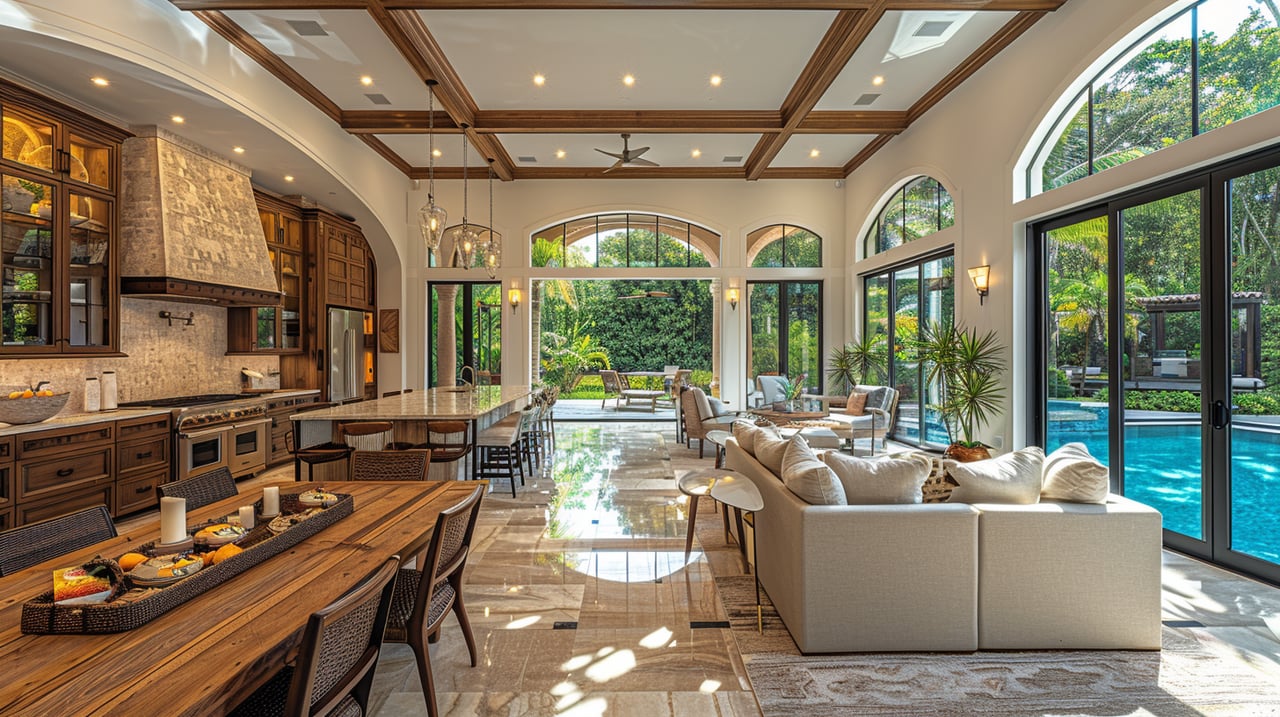
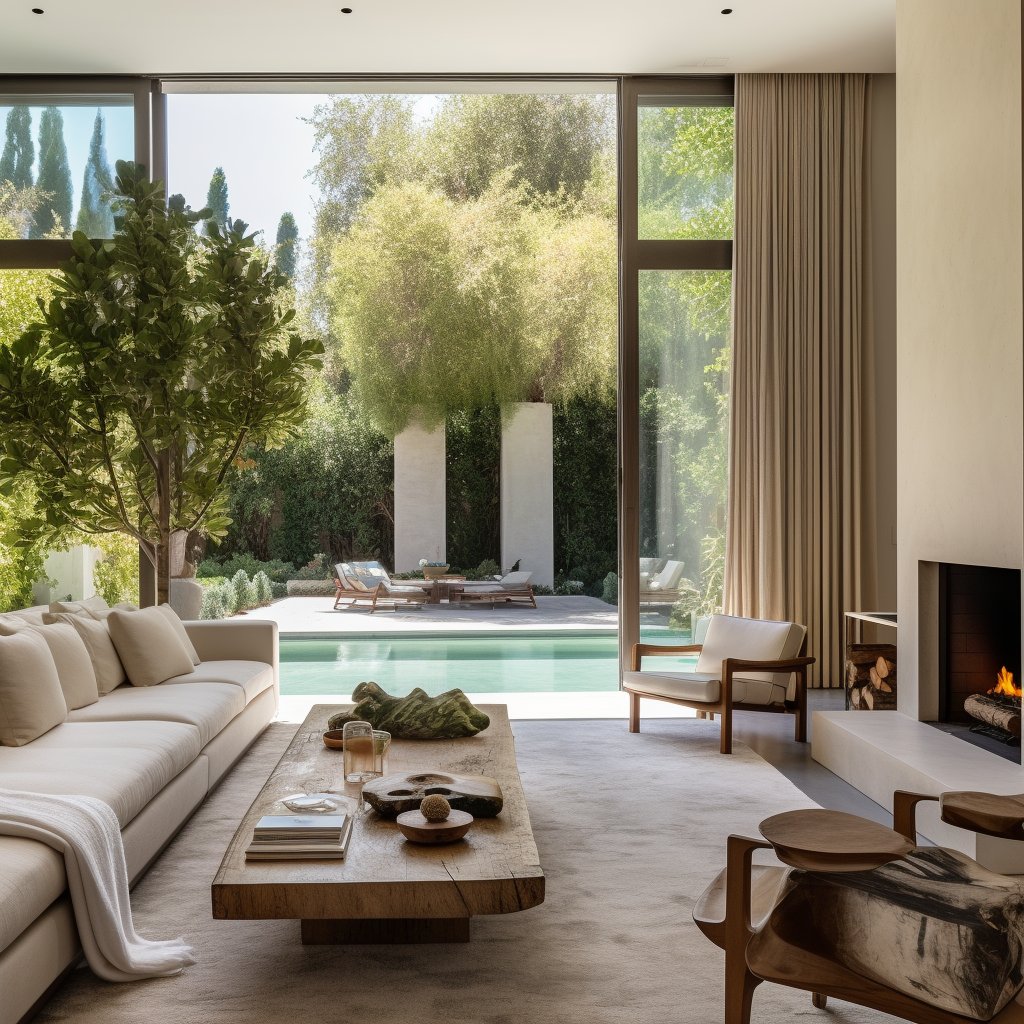
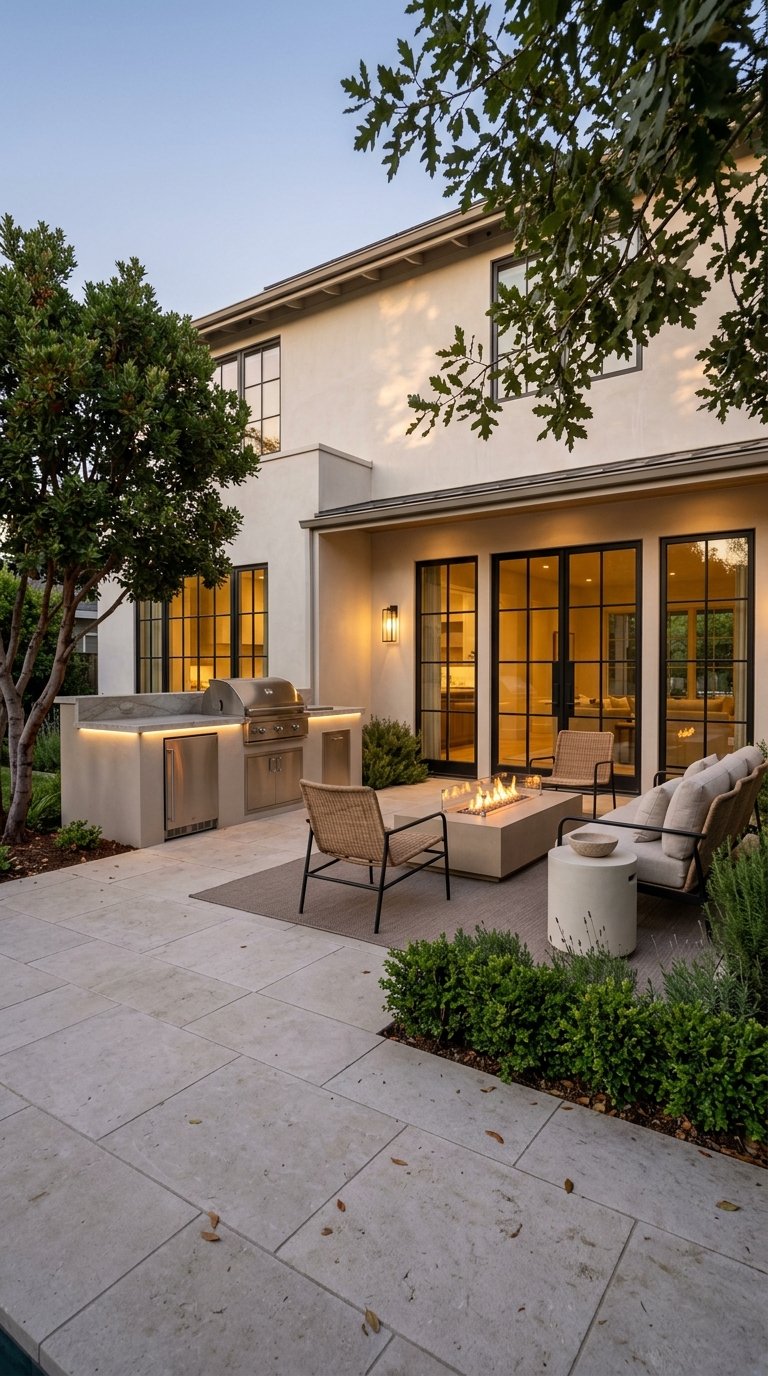
Luxury outdoor living in Piedmont often works best when it mirrors the tone of the home. That means dining and lounge areas should feel like natural extensions of your interior living spaces, not oversized resort-style add-ons.
If your home has classic forms or understated contemporary details, carry that language outside. Low-profile seating, clean-lined dining furniture, restrained finishes, and layered plantings often suit Piedmont’s aesthetic better than highly ornate or commercial-looking elements.
You do not need a huge footprint to make this work. A well-placed dining area near the kitchen, a sheltered lounge off the family room, or a modest morning patio can create daily livability while keeping the yard balanced and usable.
Choose landscaping that adds beauty and resilience
In Piedmont, landscaping does real work. It shapes first impressions, supports privacy, softens architecture, and contributes to a property’s sense of value. Redfin’s local trend data also identified landscape as one of the strongest value-associated features.
The city’s identity reinforces that point. Public Works maintains more than 8,000 trees, and the Heritage Tree Program recognizes distinctive trees in parks and open spaces. Mature canopy, layered planting, and well-kept greenery are part of the local visual language.
That said, beautiful landscaping in Piedmont should also be fire-aware. The city’s wildfire guidance recommends keeping vegetation clear within five feet of the home when feasible, pruning annually before fire season, and removing debris and flammable items from roofs, gutters, and under decks.
Smart landscape priorities for Piedmont homes
- Preserve mature trees when possible
- Maintain thoughtful plant spacing
- Keep the area nearest the home more ember-resistant
- Reduce debris buildup in gutters and under decks
- Use planting to soften terraces and define zones
The good news is that safety and beauty can work together. The city’s wildfire resilience recognition in 2026 highlighted homes and gardens that reduced risk without sacrificing visual appeal.
Add fire features carefully
A fire element can bring warmth and atmosphere to an outdoor lounge, especially on cool East Bay evenings. In Piedmont, the smarter choice is usually gas or propane rather than wood-burning.
That is because Bay Area air-quality rules prohibit wood-burning outdoor fire pits on Spare the Air alert days. Gas-fueled fireplaces, gas inserts, and electric fireplaces are allowed, and for outdoor cooking the guidance specifically points to gas or propane barbecues instead of wood or charcoal devices on alert days.
For many homeowners, that makes the decision easier. A gas fire feature is generally more convenient, more consistent with local compliance needs, and easier to integrate into a polished outdoor design.
Keep lighting low and neighbor-aware
The best outdoor lighting in Piedmont is subtle. It should guide movement, create warmth, and highlight steps or pathways without producing glare or turning the yard into a stage set.
Piedmont code gives a useful clue here. In certain cases, downward-directed low-voltage path lights and stair lights, along with downward-directed wall lights with opaque shades, are exempt from design review. That points to a preferred lighting style that is shielded, low-glare, and focused on circulation.
Outdoor lighting ideas that fit Piedmont
- Low-voltage path lighting along walkways
- Stair lighting for safety and evening use
- Downward-directed wall fixtures with opaque shades
- Soft accent lighting near dining or lounge areas
- Minimal fixture visibility during the day
When outdoor lighting is done well, you barely notice the fixtures. You simply notice that the space feels calm, welcoming, and easy to use.
Plan materials for year-round use
Because Piedmont has a mild climate and little summer rain, outdoor spaces can see frequent use across the year. That does not mean materials can be an afterthought.
Hardscape and furnishings should handle dry summer conditions, winter moisture, and the everyday wear that comes with entertaining and family life. Weather-resistant finishes, good drainage, and shade or shelter can make the difference between a patio that looks good in photos and one that actually performs well over time.
This is especially important on sloped sites, where water management should be built into the plan from the beginning. Terraces, stairs, patios, and planting beds all work better when the drainage strategy is clear and coordinated.
Know which projects may need approval
One of the biggest mistakes homeowners make is assuming outdoor work is informal. In Piedmont, many exterior projects require permits or design review.
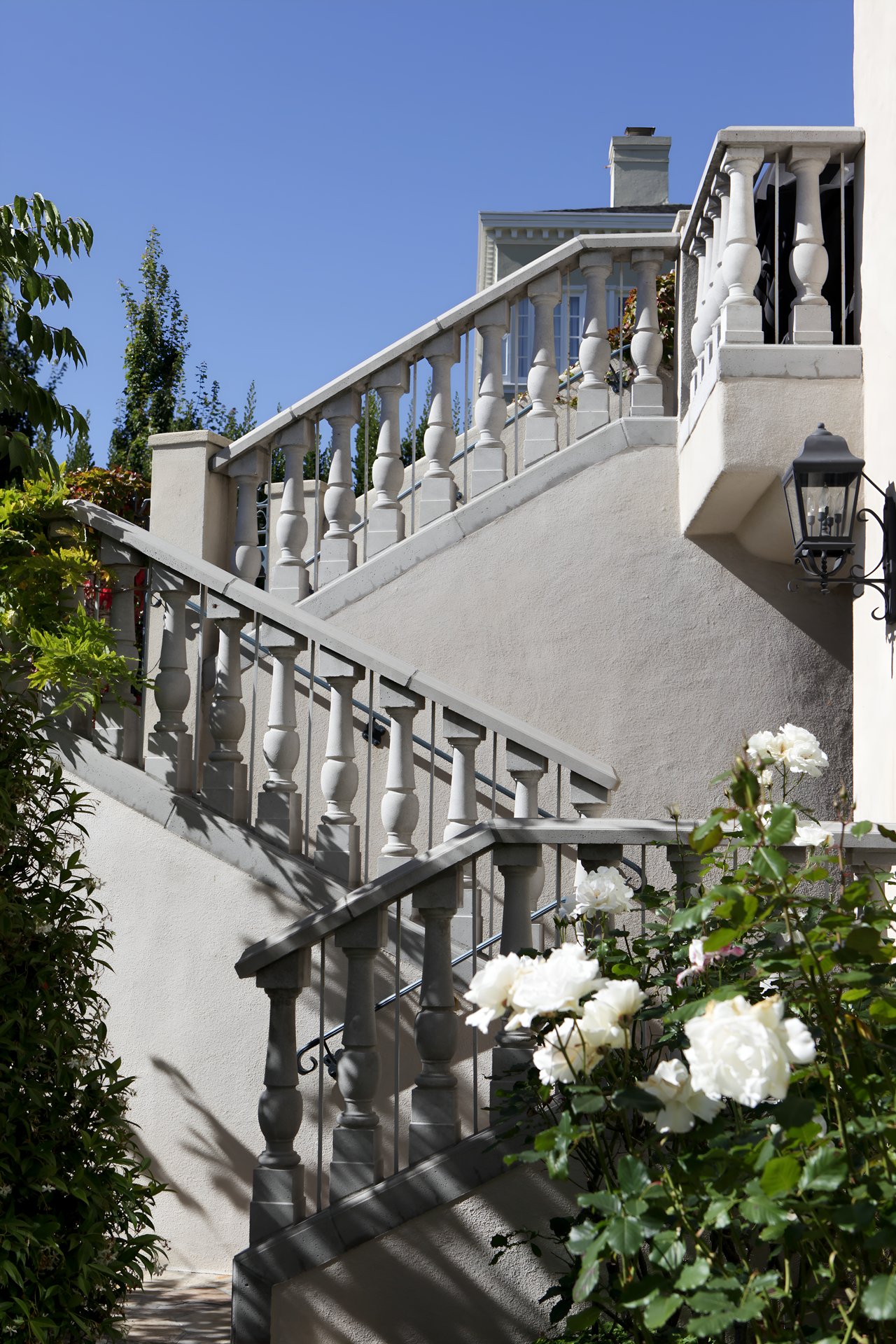
The city requires a site-improvement permit for many types of landscape and hardscape work, including retaining walls, exterior stairs, patios, drainage, and site features such as fountains, arbors, trellises, and fire pits. The city also notes that most above-ground exterior modifications require design review first.
Decks get even closer review. A new deck or major renovation needs a deck permit, and deck projects typically require design review before a building permit is issued, except for minor repairs. New decks, or replacements involving 25 percent or more of the framing members, must also meet Piedmont’s fire-protection requirements.
Some simpler projects may be easier
A few smaller yard improvements can be less permit-heavy. According to the city, these may be exempt in certain cases:
- Patios or decks under 12 inches in height
- A fence six feet or less that is not in the front setback
- A retaining wall under 30 inches
- Listed cord-and-plug decorative lighting
- Portable cooking appliances
Even so, it is smart to confirm requirements before work begins. In a design-sensitive community like Piedmont, early planning can save time, expense, and frustration.
Focus on comfort, character, and compliance
The best outdoor living ideas for Piedmont luxury homes are not just trendy features. They are choices that reflect how people actually live here and how the city expects homes to relate to their setting.
That usually means a few core priorities: preserve views, respect the architecture, keep landscaping lush but fire-aware, use lighting with restraint, and make every improvement feel integrated with the property. When those elements come together, your outdoor space can support daily enjoyment now and strengthen the home’s appeal over time.
If you are thinking about how outdoor upgrades may shape your home’s presentation, lifestyle, or future market position, Debbi DiMaggio can help you think through the details with a polished, local perspective.
FAQs
What outdoor features matter most for Piedmont home value?
- In local trend data, view and landscape were among the strongest value-associated features, with fence and eat-in area also appearing among the more value-associated features.
What fire pit option makes the most sense for a Piedmont backyard?
- Gas or propane is often the most practical choice because wood-burning outdoor fire pits are not allowed on Spare the Air alert days.
What outdoor projects in Piedmont may need permits or design review?
- Many exterior projects can require review, including patios, retaining walls, stairs, drainage work, fire pits, arbors, trellises, and most above-ground exterior modifications.
What is a simple outdoor upgrade for a Piedmont home?
- Low-voltage path or stair lighting, portable cooking appliances, and shallow patios or decks under 12 inches in height are among the simpler improvements noted by the city.
What works best for outdoor living on a sloped Piedmont lot?
- Terraced levels with planted separation and proper drainage are generally a better fit than one large retaining wall, especially when the goal is to preserve sightlines and create usable outdoor rooms.