Love the look of Piedmont’s tree-lined streets but not sure how to tell a Craftsman from a Mediterranean at a glance? You’re not alone. Many buyers fall for the character here, then wonder which features truly matter for comfort, value, and upkeep. In this guide, you’ll learn how to spot Piedmont’s most-loved architectural styles, what buyers value in each, the red flags to watch for, and smart updates that protect both beauty and resale. Let’s dive in.
Quick style IDs on a walk
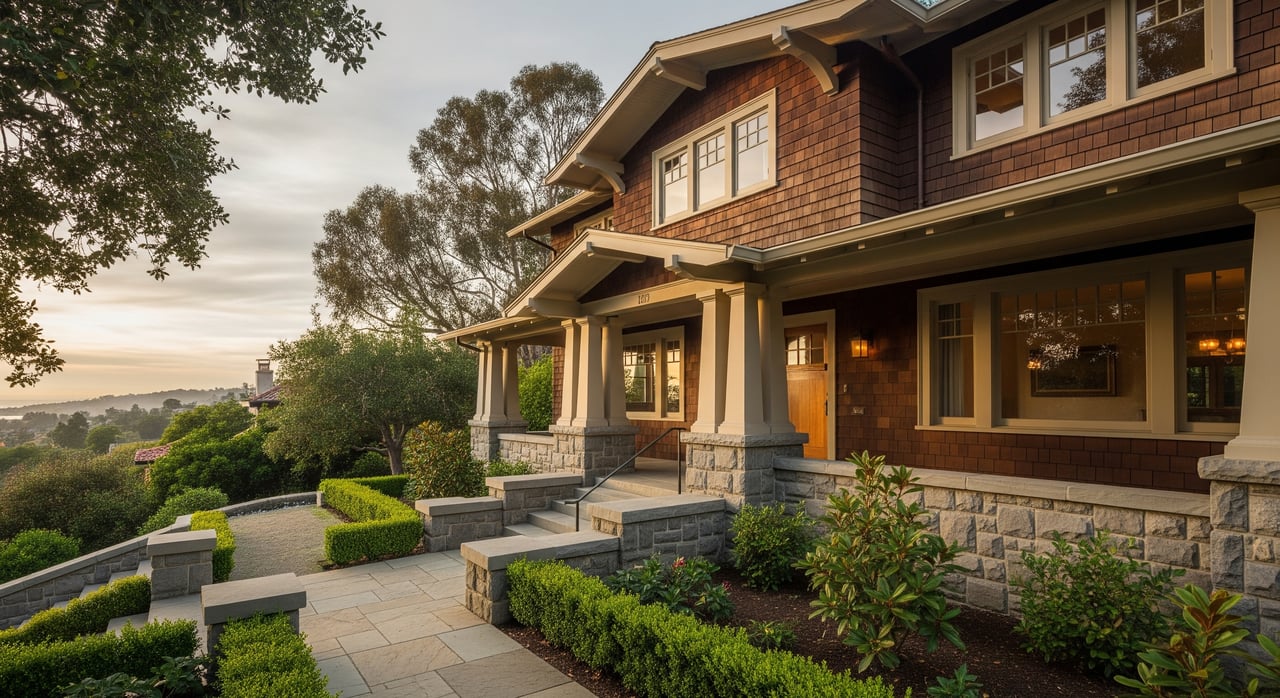
- Craftsman: Low-pitched roof, wide eaves with exposed rafters, chunky porch columns, warm woodwork and built-ins inside.
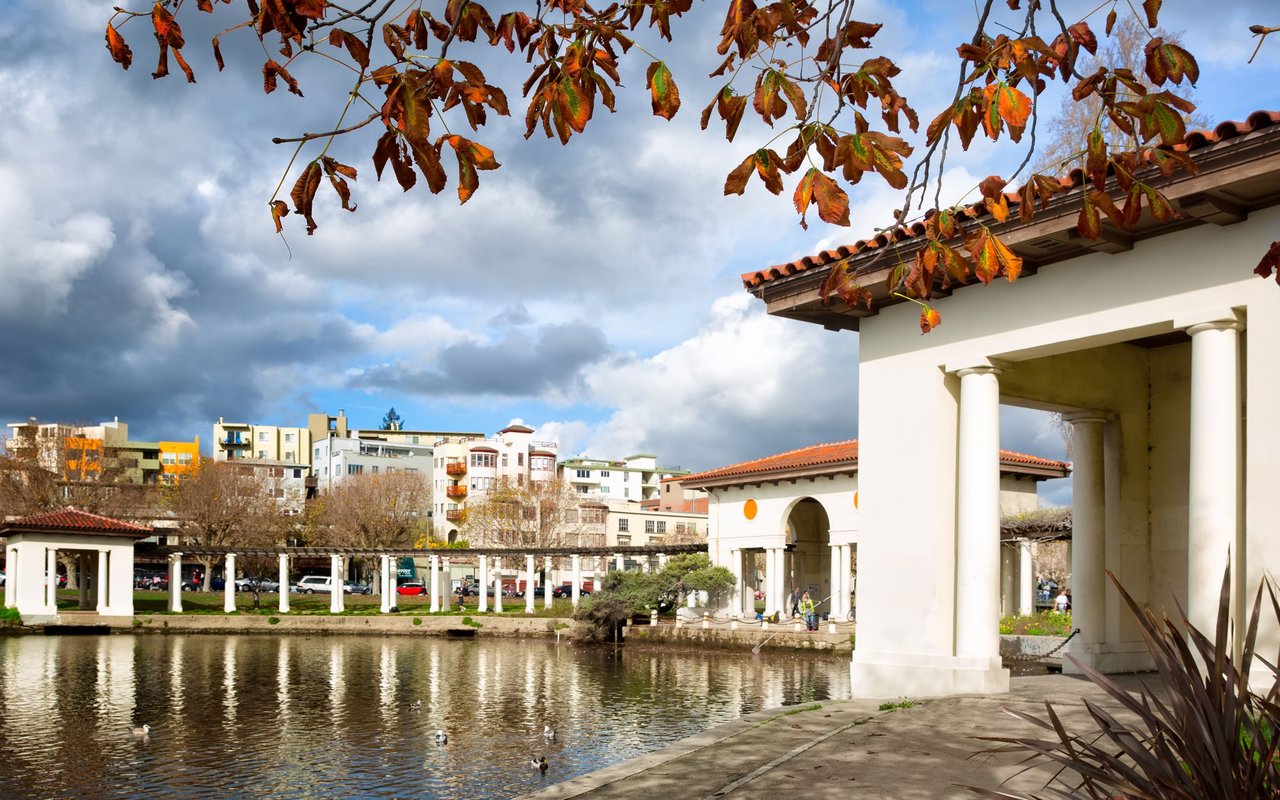
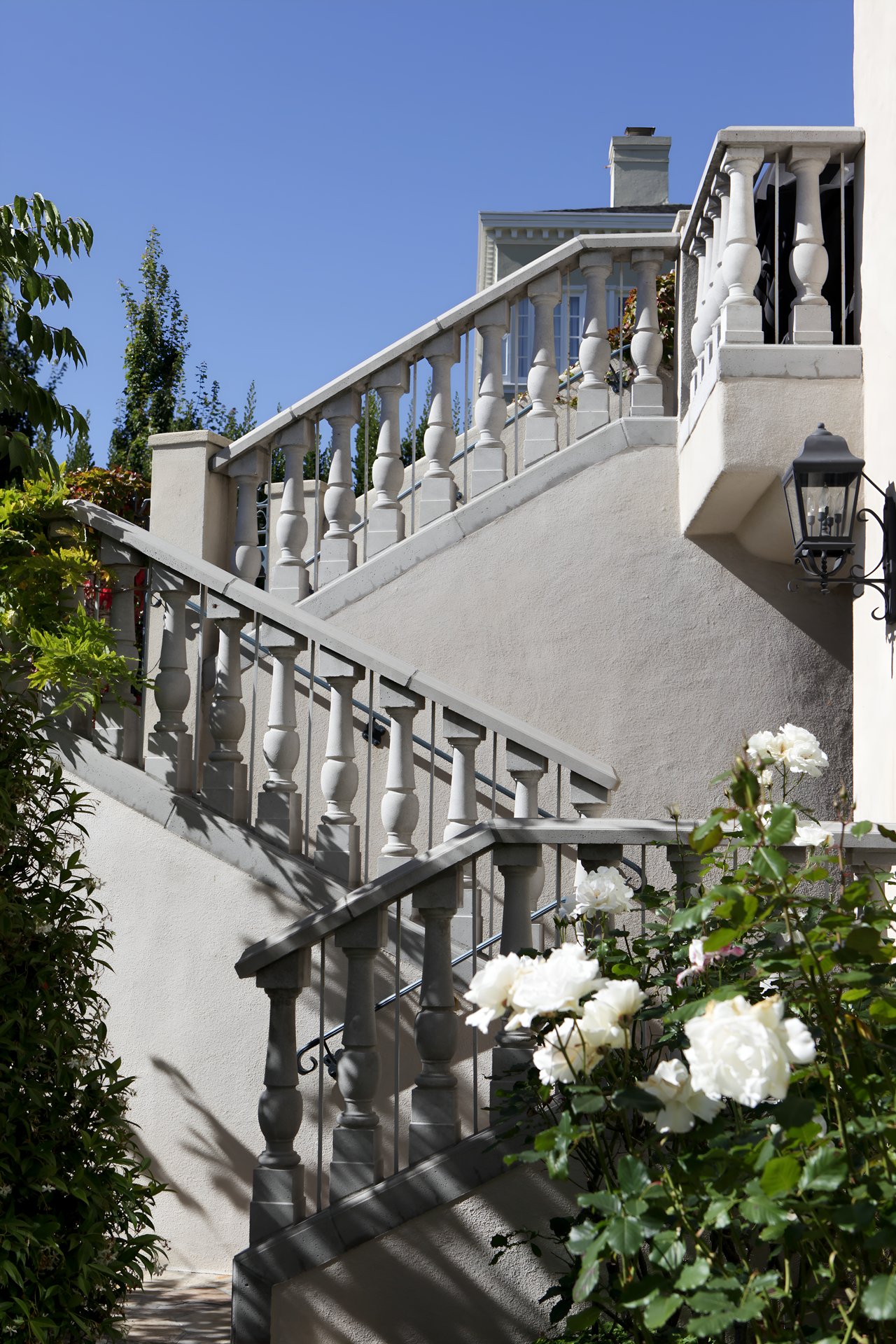
- Mediterranean/Spanish Revival: Stucco walls, red tile roof, arches, wrought iron, decorative tile, and inviting courtyards.
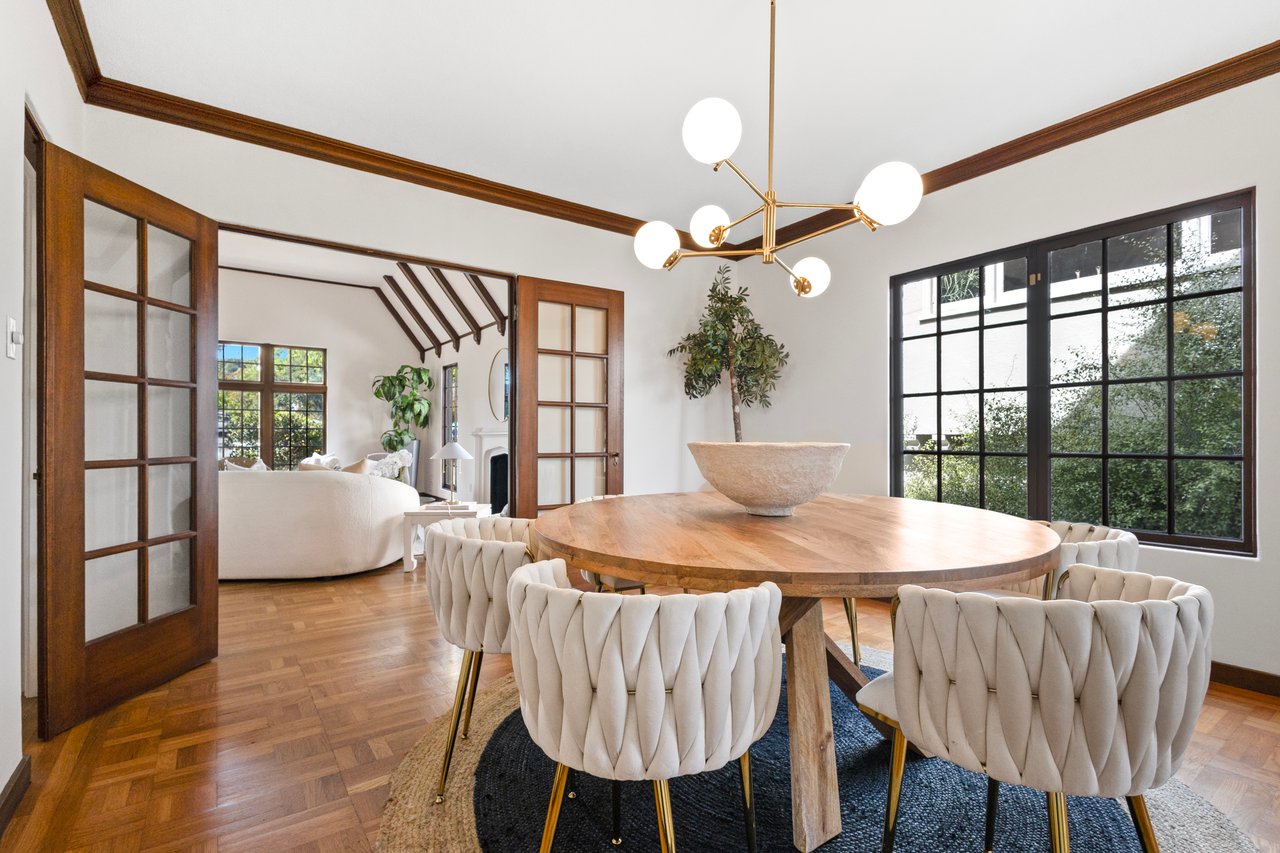
- Traditional/Period Eclectic: Symmetry or steep gables, brick or wood siding, formal entries, classic mantels and moldings.
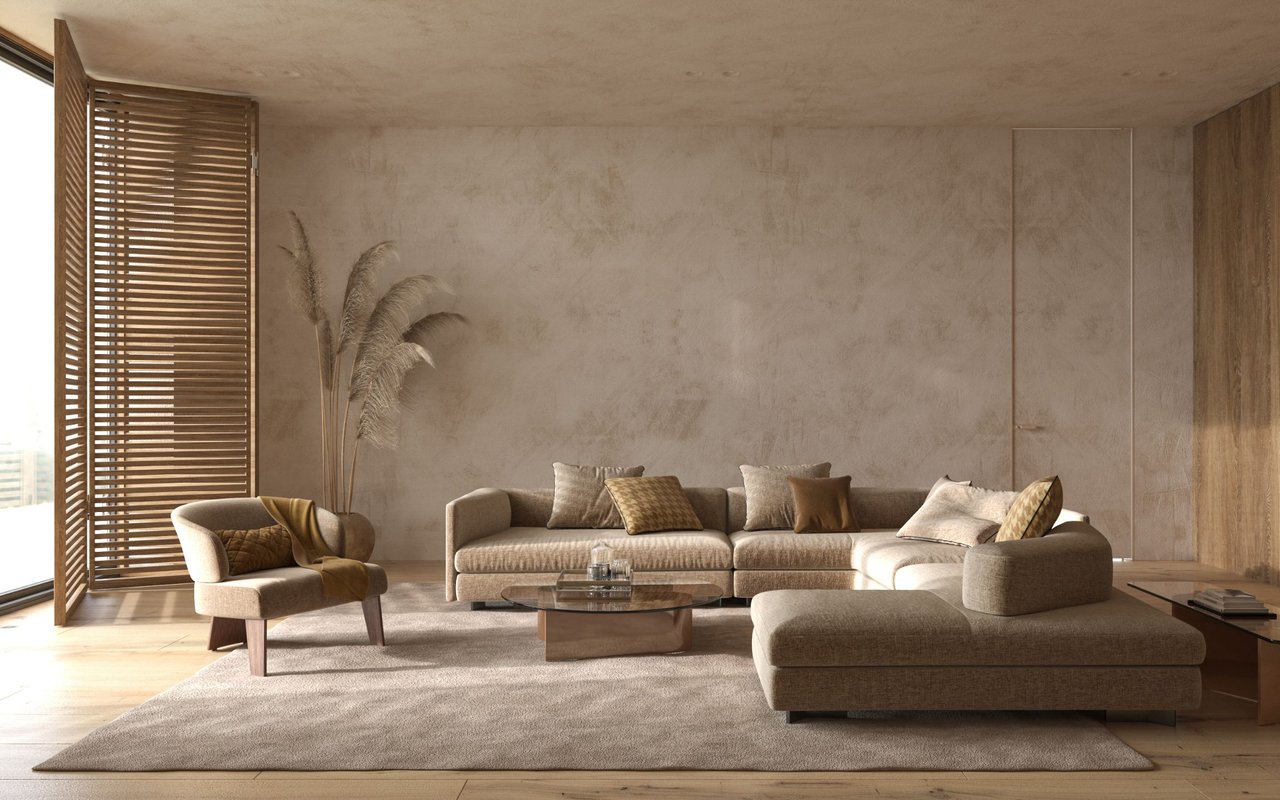
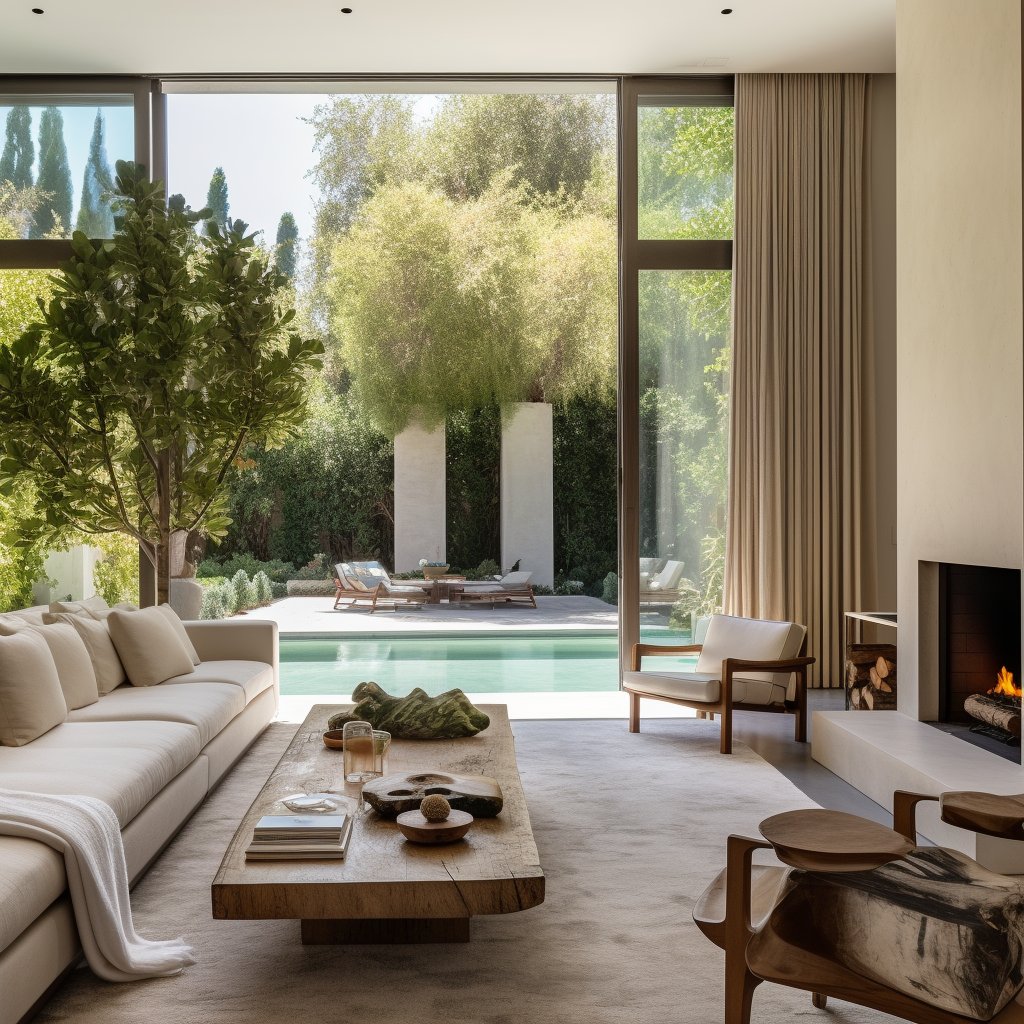
- Mid-century Modern: Clean lines, big windows, open plans, clerestory windows, and strong indoor–outdoor flow.
Craftsman homes
How to spot them
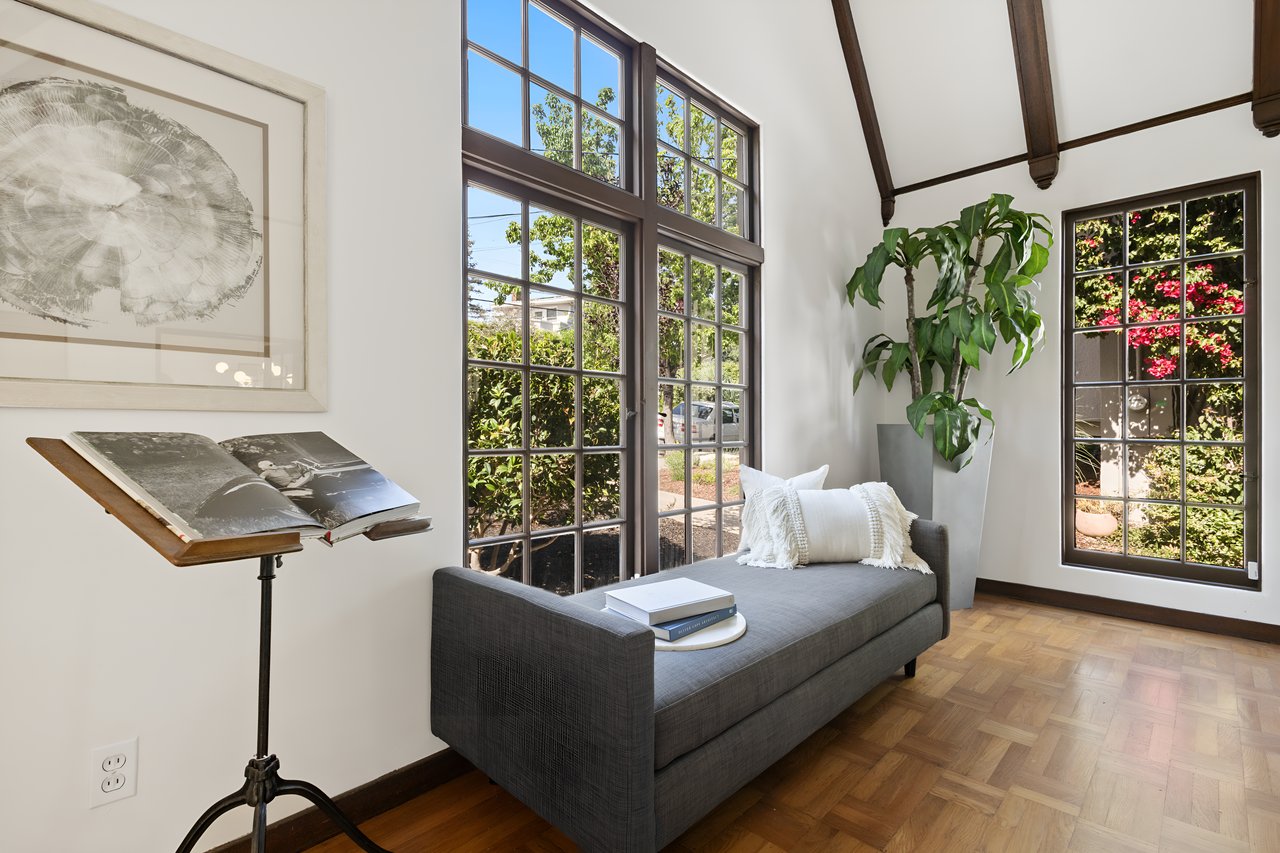
Low-pitched gables, deep overhangs with exposed rafters, and tapered porch columns on substantial piers. Inside, look for built-in cabinetry, window seats, original hardwood floors, and multi-pane-over-single-pane windows.
What buyers love
- Original woodwork and trim that add warmth and character.
- Built-ins that blend storage with style.
- Updated kitchens and baths that keep period details intact while improving daily living.
Red flags to watch
- Peeling paint or soft spots in exterior wood that can signal rot.
- Older windows that need reglazing or weatherstripping for comfort and efficiency.
- Foundation or seismic needs, including bracing and chimney reinforcement, common in early 20th-century homes.
Smart updates that respect the style
- Preserve trim profiles, built-ins, and original floors where possible.
- If replacing windows, choose historically appropriate options sized to the original openings.
- Address structural items with permitted seismic upgrades and a qualified engineer.
Upkeep snapshot
Plan for periodic exterior painting and selective wood repair. Maintain windows with reglazing and weatherstripping as needed. Refinish original floors when they show wear and protect them with careful maintenance.
Mediterranean and Spanish Revival
How to spot them
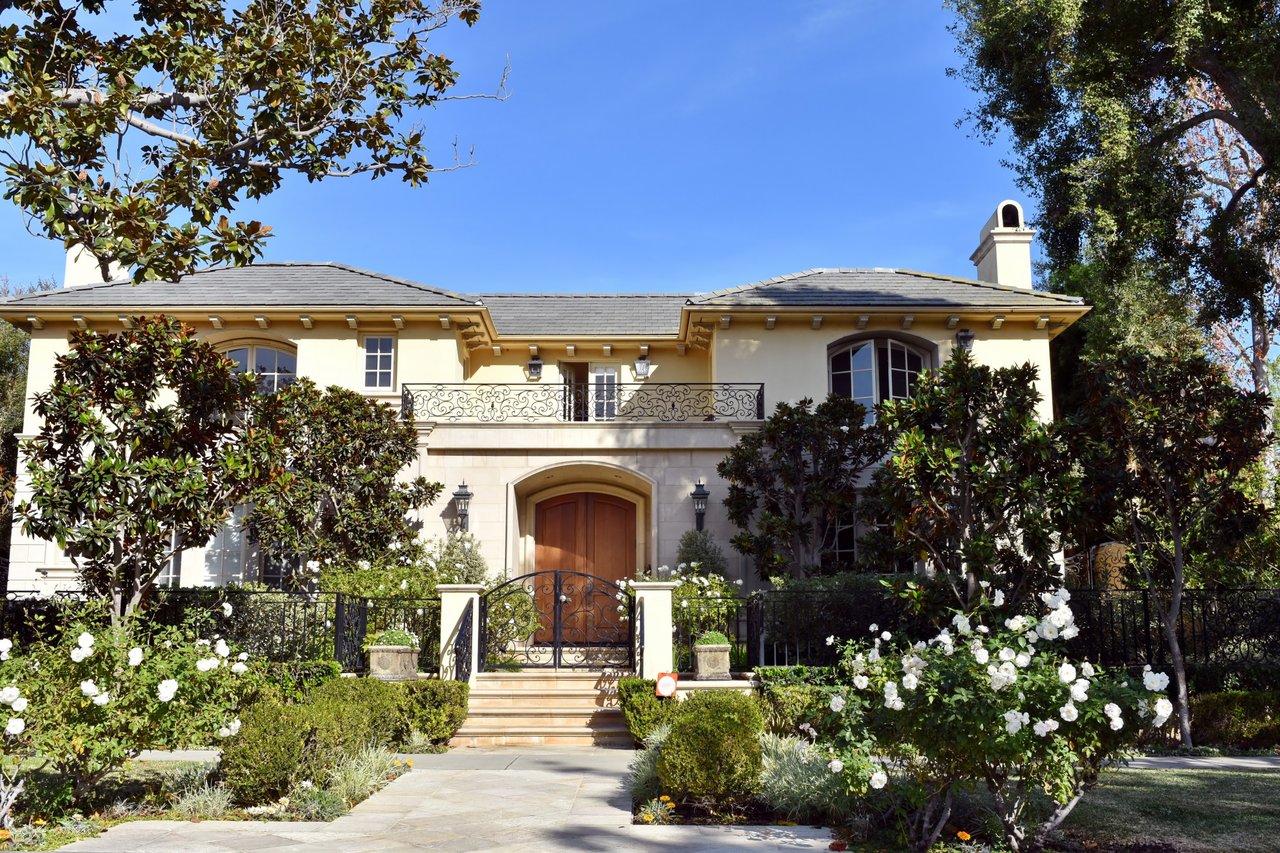
Smooth stucco exteriors, low-pitched red tile roofs, arches at windows and doors, and wrought iron accents. Many include tiled entries, terraces, and courtyard spaces that invite outdoor living.
What buyers love
- Distinctive curb appeal and timeless materials.
- Courtyards and patios that extend living outside.
- Ornamental tilework and period hardware that tell a story.
Red flags to watch
- Stucco cracking or staining that may indicate moisture issues around windows or foundations.
- Loose or failing roof tiles and aging flashing, especially at valleys and penetrations.
- Drainage concerns on sloped lots that can affect stucco and foundations.
Smart updates that respect the style
- Match stucco textures and finishes when patching or expanding.
- Invest in waterproofing and proper flashing when adding or enlarging openings.
- Enhance drought-tolerant Mediterranean landscaping to complement architecture and boost first impressions.
Upkeep snapshot
Monitor stucco for hairline cracks and seal as needed. Maintain tile roofs with periodic inspections and repairs. Keep gutters and downspouts clear to manage water away from the home.
Traditional and Period Eclectic
How to spot them
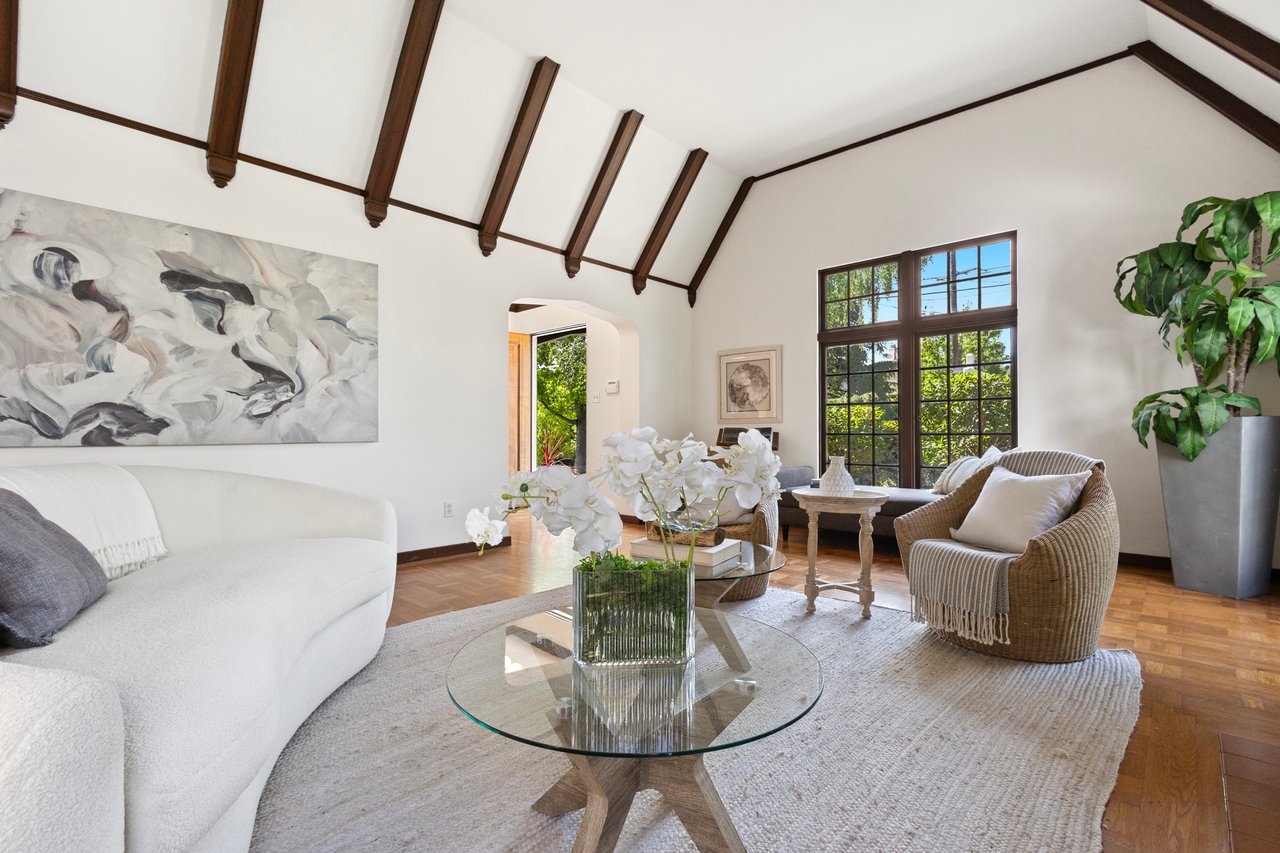
Classic proportions, symmetrical facades in Colonial Revival, or steep gables in Tudor-influenced designs. Expect brick or wood siding, formal entryways, fireplaces, and defined living and dining rooms.
What buyers love
- Timeless lines and rooms that feel gracious and well-proportioned.
- Original mantels, staircases, and moldings that elevate everyday living.
- Yard space for gardening, pets, and entertaining.
Red flags to watch
- Masonry chimneys that may need inspection and repointing.
- Aging exterior wood siding that requires paint and localized repair.
- Roof and gutter issues that can impact detailed woodwork.
Smart updates that respect the style
- When adding space, match rooflines, window proportions, and exterior materials.
- Update systems, kitchens, and baths with classic finishes that complement, not compete.
- Reconfigure interiors thoughtfully to improve flow while keeping the home’s classic feel.
Upkeep snapshot
Budget for regular painting and gutter maintenance. Schedule professional chimney evaluations and repairs as needed. Address minor exterior issues early to protect period detailing.
Mid-century Modern
How to spot them
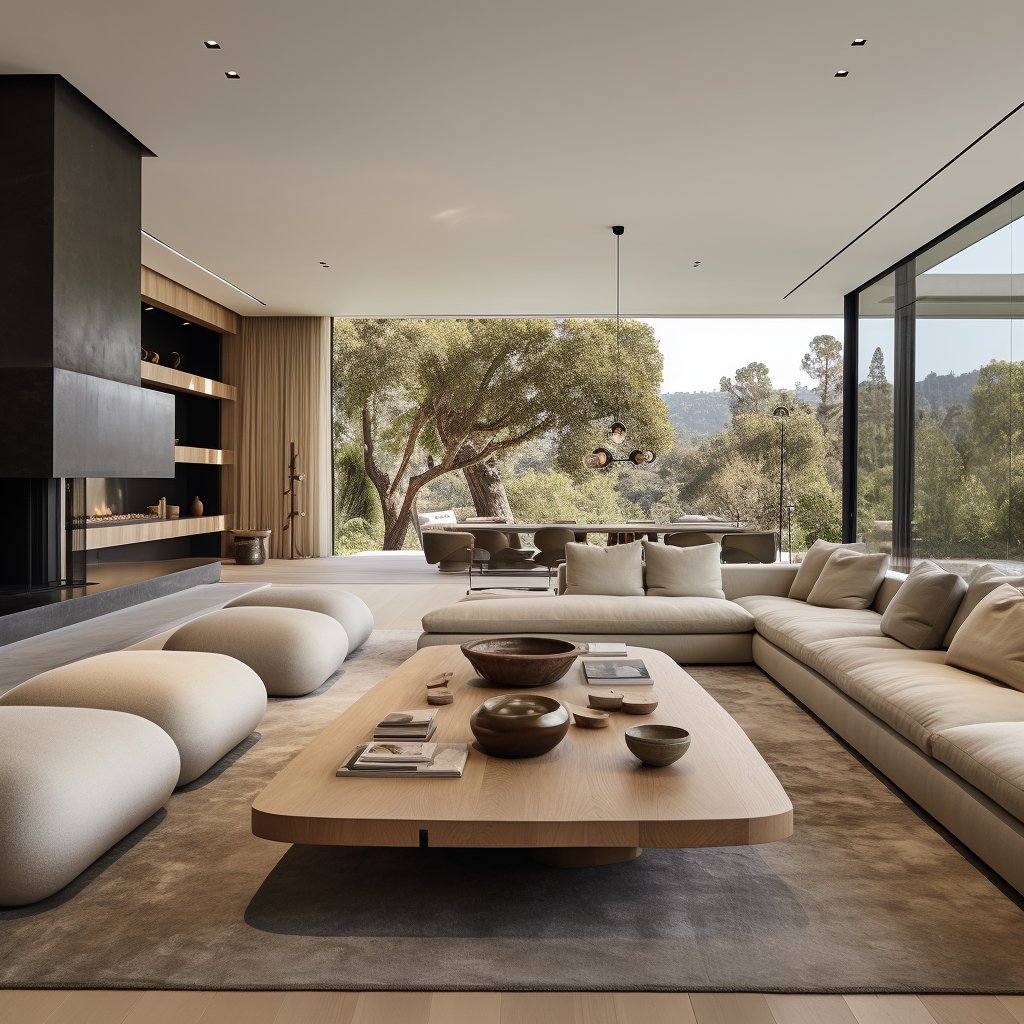
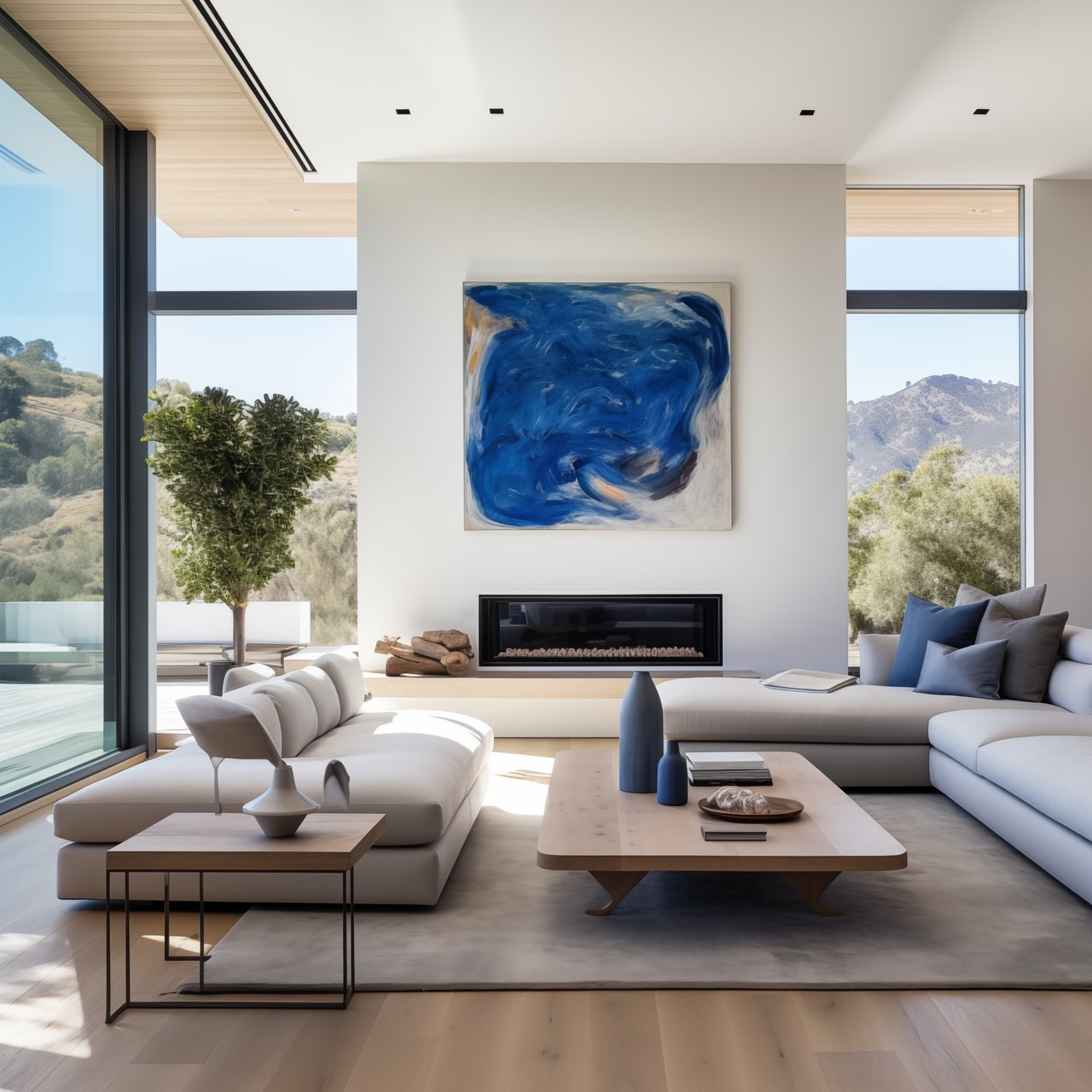
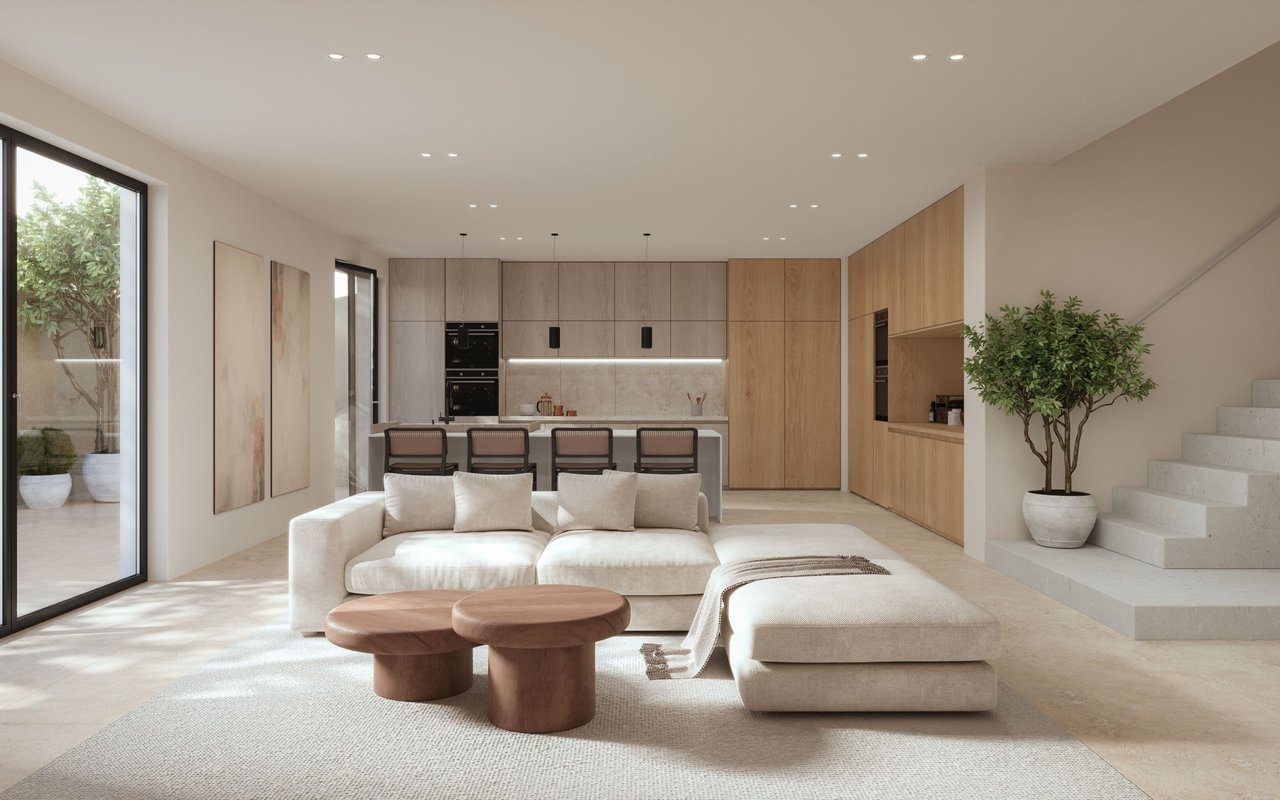
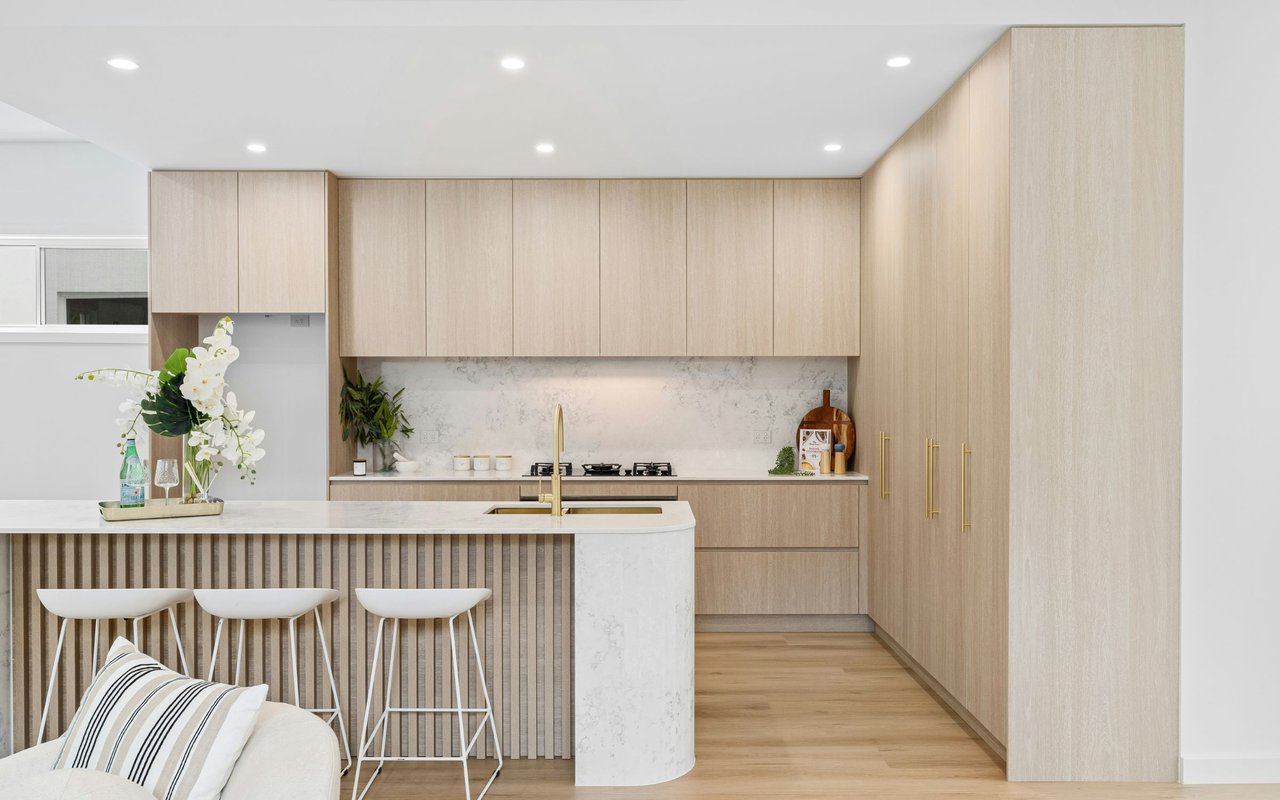
Clean, horizontal lines, large panes of glass, clerestory windows, exposed beams, and open plans that connect living spaces to patios and gardens. Minimal ornamentation keeps focus on light and landscape.
What buyers love
- Authentic details like exposed structure, original built-ins, and period lighting.
- Seamless indoor–outdoor living and natural light.
- Modernized kitchens and baths that keep sight lines and simplicity.
Red flags to watch
- Flat or low-slope roofs that need careful attention to drainage and flashing.
- Older single-pane windows that affect comfort and efficiency.
- Interior alterations that chop up open plans and reduce the mid-century feel.
Smart updates that respect the style
- Preserve visual connections across rooms and to the yard.
- Upgrade insulation, HVAC, and windows in ways that maintain the original profiles and ceiling lines.
- Choose minimalist finishes that align with the era’s design language.
Upkeep snapshot
Schedule regular roof inspections, especially after heavy storms. Maintain weather seals around large glass areas. Keep landscaping trimmed to highlight architecture and view lines.
What moves value in Piedmont
You’ll often see the best results when you prioritize updates in this order:
- Structural and seismic basics
- Foundation bolting, cripple wall bracing, and chimney reinforcement preserve safety and can help with financing and insurance.
- Kitchens and bathrooms
- Period-sensitive updates that fit the home’s era tend to resonate with buyers.
- Systems modernization
- Replacing or upgrading electrical panels, HVAC, water heaters, and insulation improves comfort and marketability.
- Curb appeal and landscape
- Fresh paint, tidy pathways, porch restoration, and garden refresh create strong first impressions.
- Additions and ADUs
- Added square footage or a well-planned ADU can shift value, but success depends on design compatibility and permitting.
Inspections and due diligence
Before you buy or list, gather answers to these questions:
- Historic and original elements: Which period details remain, and what was changed? Are there records of past remodels and permits?
- Structure and seismic: Has the home been retrofitted? Ask for permits and engineering documentation where applicable.
- Roofing and exterior envelope: For Mediterranean and mid-century homes, inspect tile condition, stucco, low-slope membranes, flashing, and gutters.
- Mechanical and energy: Assess electrical panels, wiring, HVAC, and water heaters. Older homes may need panel upgrades for today’s loads.
- Moisture and drainage: Evaluate hillside drainage, roof drains, and flashing to avoid hidden moisture issues.
- Floor plan fit: Will the layout work now, or will it require significant reconfiguration?
Permits, design review, and ADUs
Piedmont’s Planning and Building Department is the authority for permits, design review, and local zoning. For exterior work or meaningful interior changes, confirm requirements early, including any neighborhood-level design guidance. If you plan to add an ADU, California law supports broader ADU opportunities, but local development standards, setbacks, parking, and utility connections still apply. For older homes, consult established preservation standards when working with character-defining features, and refer to recognized seismic retrofit guidance when planning structural work.
Style-specific red flags at a glance
- Craftsman: Rotted porch columns or trim, aging original windows without weatherstripping, unreinforced chimneys.
- Mediterranean: Stucco cracks or staining near openings, loose roof tiles, failing flashing, grade sloping toward the foundation.
- Traditional/Period Eclectic: Deferred exterior paint, spalling masonry or unserviced chimneys, gutters that overflow and damage trim.
- Mid-century Modern: Ponding on flat or low-slope roofs, compromised roof drains, altered open plans that disrupt the design’s intent.
Search smarter on the MLS
Try these keywords and filters when you set alerts with your agent:
- “Craftsman,” “bungalow,” “period details,” “original hardwood,” “built-ins.”
- “Mediterranean,” “Spanish Revival,” “stucco,” “tile roof,” “courtyard.”
- “Colonial Revival,” “Tudor,” “traditional,” “formal dining,” “mantel.”
- “Mid-century,” “clerestory,” “post-and-beam,” “floor-to-ceiling windows,” “open plan.”
Add filters for lot size, outdoor spaces, and single-level living as needed. Ask your agent to review recent comparable sales and local reports so your search reflects current market conditions.
Buying or selling an older Piedmont home
Older homes reward careful stewardship. If you’re buying, prioritize a thorough inspection and a realistic plan for first-year projects. If you’re selling, consider pre-inspections and targeted improvements that honor the home’s era while solving for modern comfort. In both cases, strong presentation and clear documentation of permitted work help buyers move forward with confidence.
Ready to talk strategy for your next move in Piedmont or nearby East Bay neighborhoods? Connect with our boutique team for guidance tailored to your goals, from style-savvy updates to hospitality-led presentation. Schedule your VIP consultation with Debbi DiMaggio.
FAQs
How do I tell an original feature from a later replacement?
- Look for consistency with the home’s era and other rooms; original trim profiles, hardware, and window types often repeat, while replacements may use newer materials or different proportions.
Which renovations add value without losing character?
- Focus on structural and seismic basics, then period-sensitive kitchens and baths, followed by systems and curb appeal, keeping materials and proportions aligned with the home’s style.
What should I know about seismic retrofits in Piedmont?
- Many older homes benefit from foundation bolting, cripple wall bracing, and chimney reinforcement; permitted work and engineering letters can support buyer confidence and lending.
Are there style-specific maintenance pitfalls to budget for?
- Craftsman: exterior wood care; Mediterranean: stucco and tile roof upkeep; Traditional: chimney and paint cycles; Mid-century: flat roof drainage and window performance.
Do I need design review for exterior changes?
- Significant exterior work typically requires permits and may involve design review; always confirm current requirements with the City of Piedmont Planning and Building Department before starting.