Thinking about trading San Francisco or Silicon Valley for Piedmont? That move can look simple on a map, but day-to-day life can feel very different once you factor in commute patterns, home styles, taxes, and how quickly homes move here. If you want a clearer picture of what changes, what to plan for, and how to make a smart transition, you are in the right place. Let’s dive in.
Why Piedmont Feels Different
Piedmont is a 1.7-square-mile charter city with about 11,000 residents in the Oakland Hills overlooking the San Francisco Bay. The city describes itself as primarily residential and known for gardens, parks, schools, and a strong sense of place. That smaller scale can feel like a big shift if you are coming from a denser part of San Francisco or from a Silicon Valley community built around longer driving corridors.
The city also places a visible emphasis on quality of life, inclusion, and civic participation. In practical terms, that often means your daily experience is shaped more by residential streets, local parks, and neighborhood routines than by a fast-paced urban grid. For many buyers, that is a major part of Piedmont’s appeal.
What Daily Life Looks Like
Piedmont has six city parks and numerous landscaped areas with wooded paths, tennis courts, playgrounds, and picnic facilities. That gives the city a more neighborhood-centered feel than many urban and employment-centered markets nearby. If you are used to stepping out into a dense commercial district, this can be one of the first changes you notice.
That does not mean life slows down in a negative way. It means your home base often feels more tucked in and residential, while still keeping you connected to the broader East Bay and San Francisco. Many relocating buyers are looking for exactly that balance.
Piedmont Housing Has Real Variety
One of the biggest surprises for relocating buyers is that Piedmont is not one uniform housing market. The city’s planning documents divide it into five neighborhood typologies, each with a different physical feel. That matters because your experience can vary a lot depending on the block, lot, and home style you choose.
Older Bungalows and Cottages
Some of Piedmont’s oldest areas feature bungalow and cottage homes on lots under 5,000 square feet. Much of this housing stock is more than 90 years old. If you are moving from a newer condo or a recently built Silicon Valley home, these properties may offer charm and character, but they may also come with more variation in layout, storage, and infrastructure.
Classic Streetcar-Suburb Homes
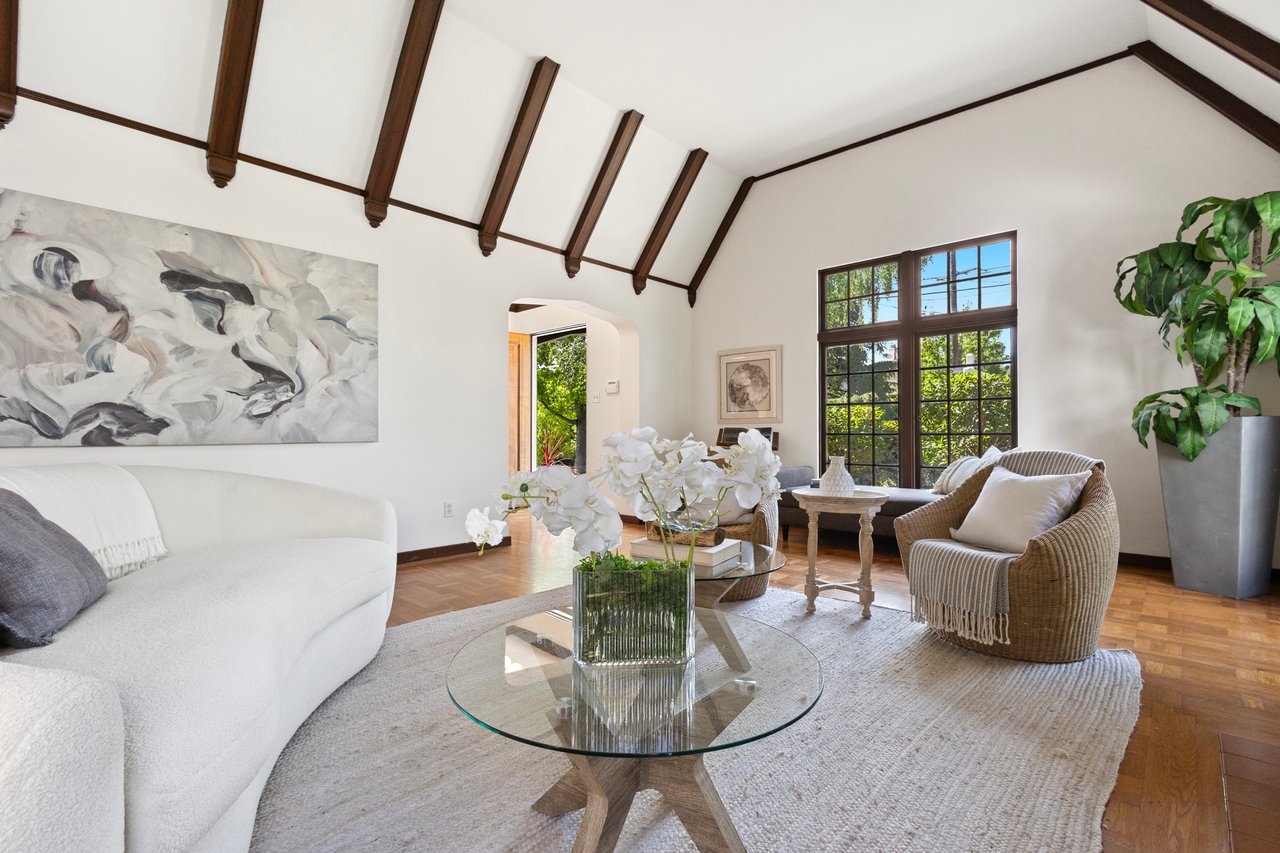
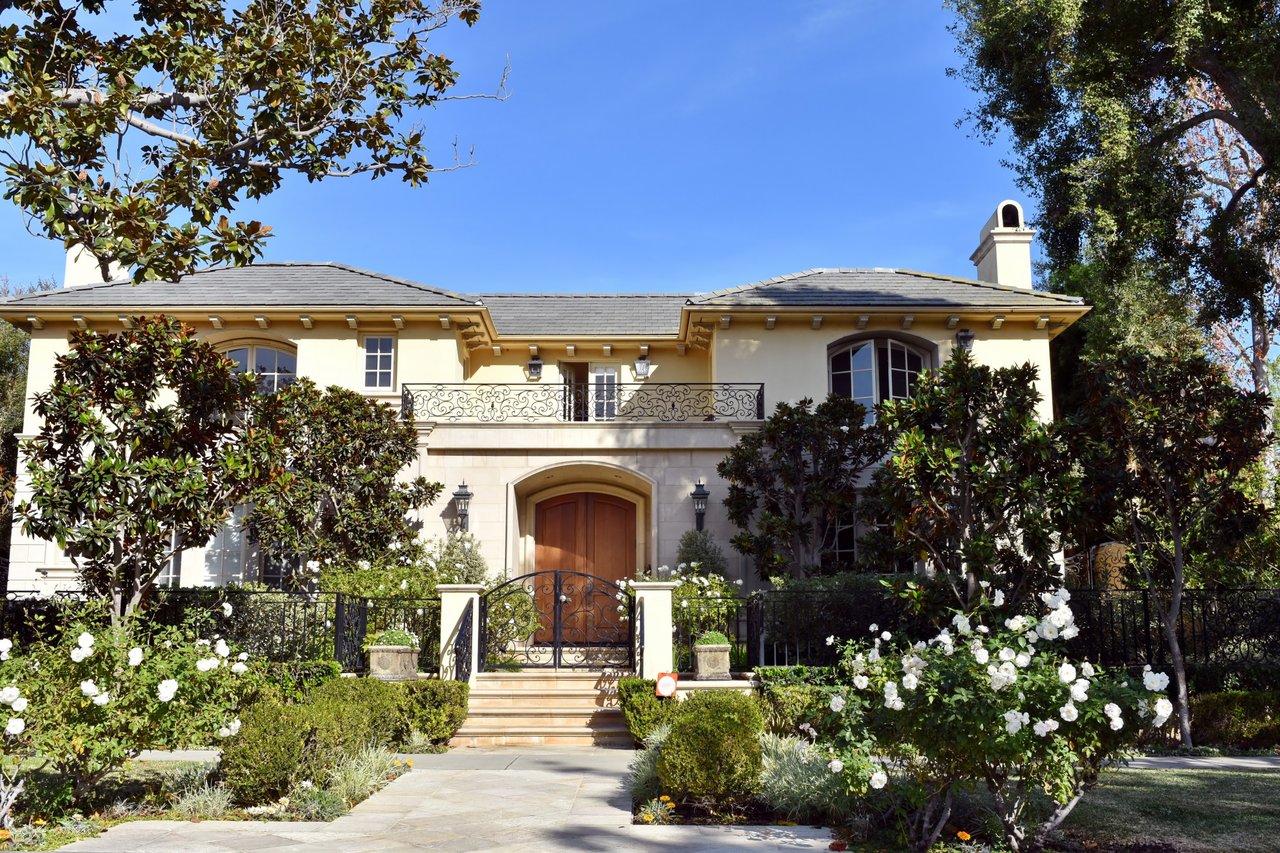
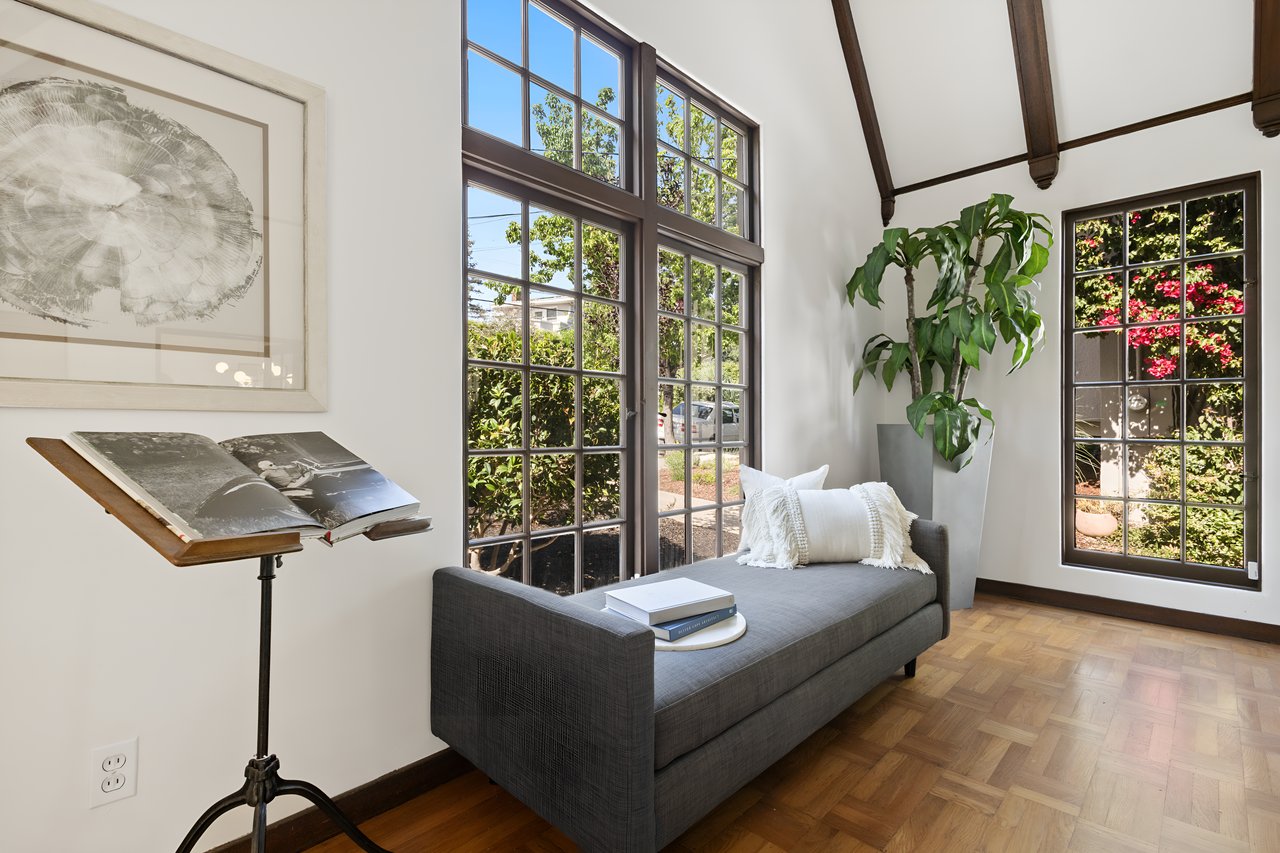
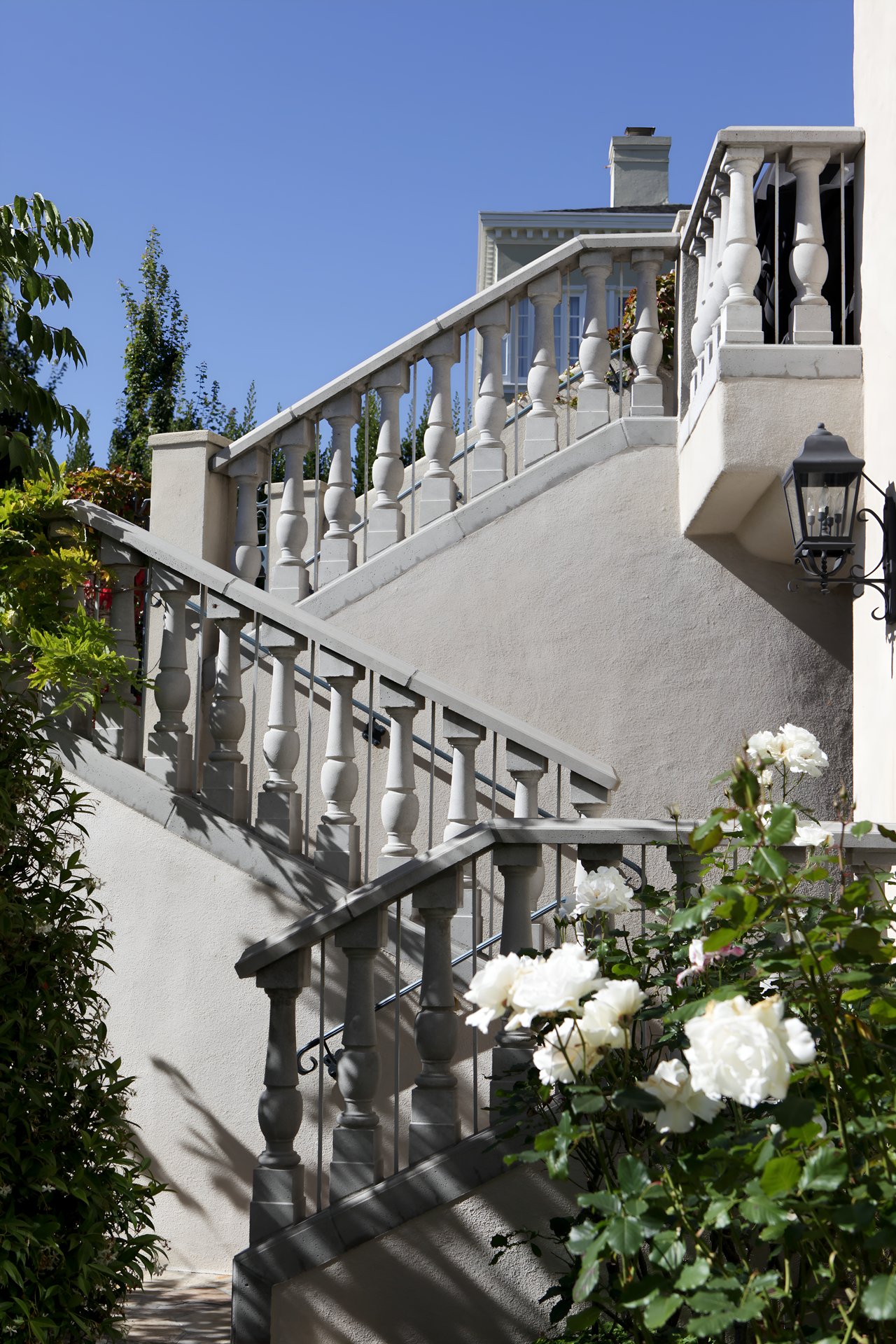
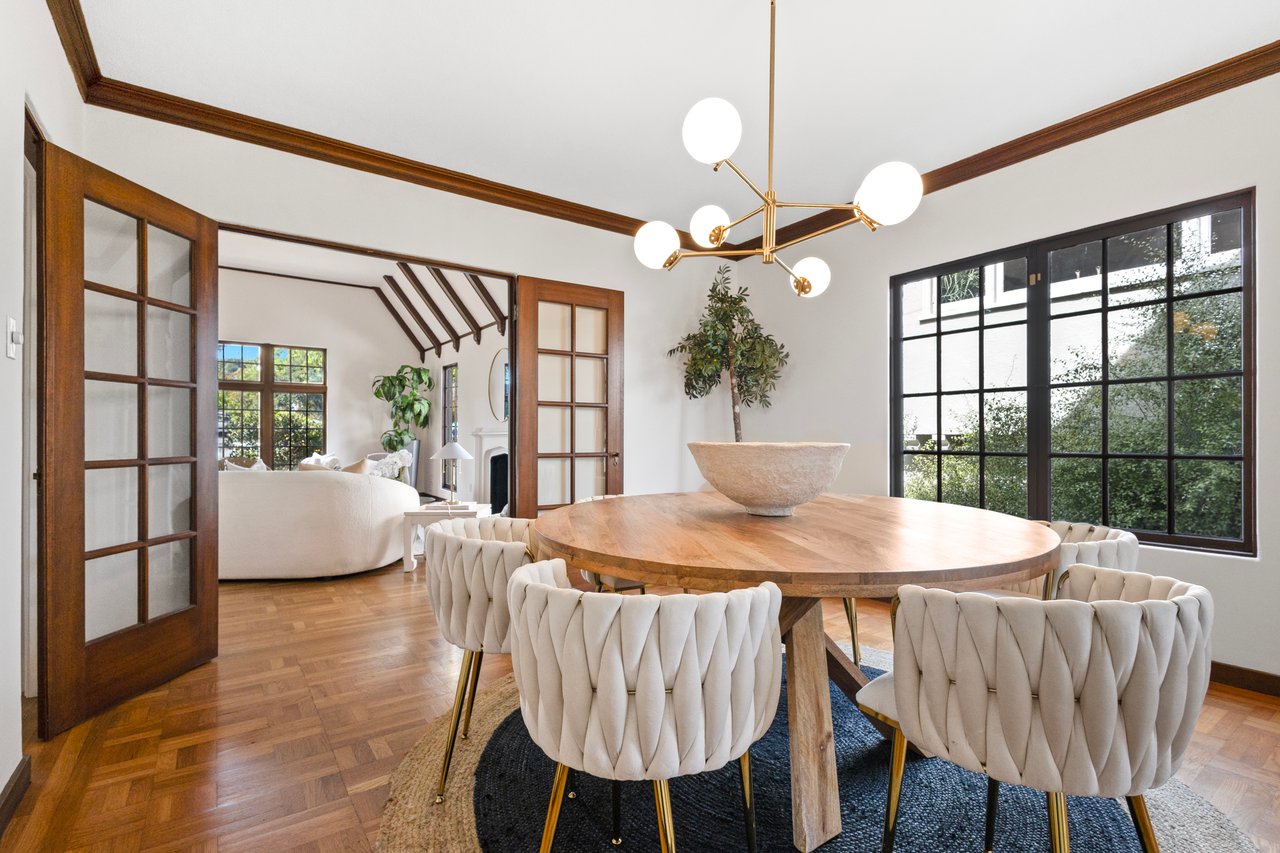
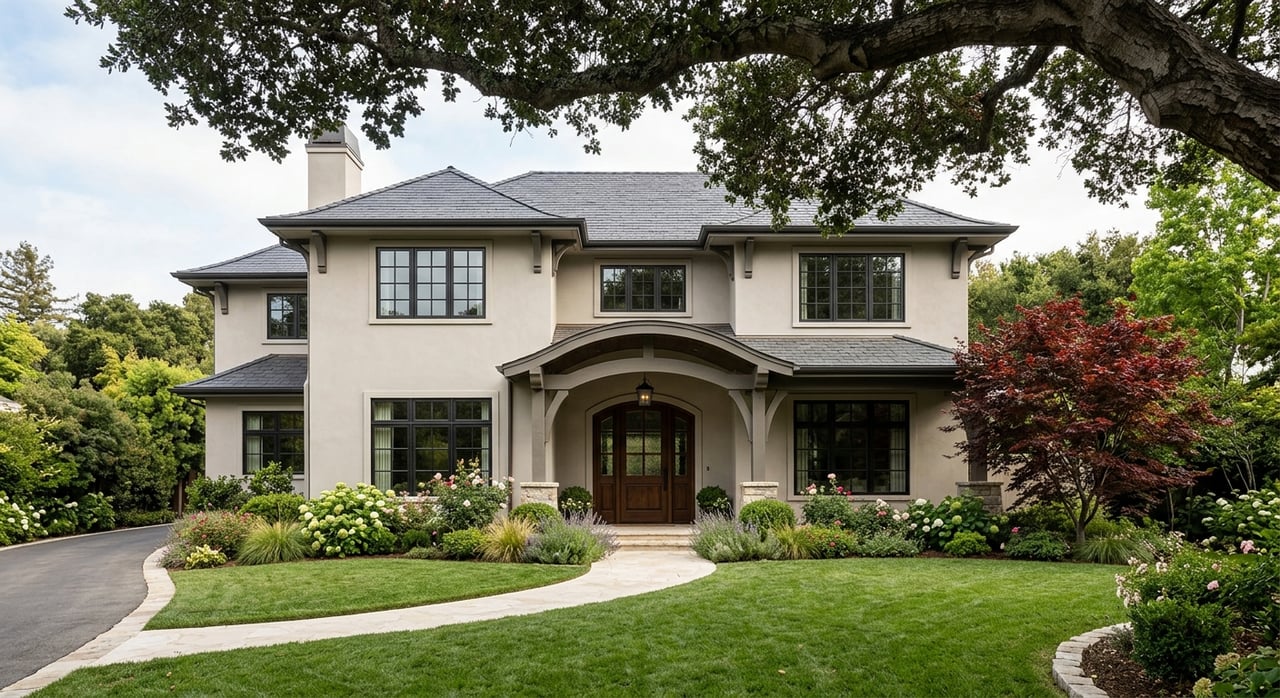
Many Piedmont homes fall into the classic streetcar-suburb pattern. These areas include Mediterranean Revival, Brown Shingle, Tudor, Prairie Style, and Colonial Revival architecture. If you are drawn to established homes with architectural detail and a strong sense of place, this is often where Piedmont stands apart.
Estates, Hillsides, and Mid-Century Homes
Other parts of Piedmont include estate areas with large wooded lots, often above half an acre. Hillside areas feature winding streets and multi-level homes, while mid-century areas tend toward California ranch homes. In short, your trade-offs may involve views, lot size, stairs, privacy, parking, or yard usability, depending on where you focus.
Price Expectations in Piedmont
Piedmont remains a tight, high-priced market. As of March 31, 2026, Zillow reported an average home value of $2,459,056, 14 homes for sale, and a median list price of $2,385,500. Redfin reported a March 2026 median sale price of $3.0 million, homes averaging six offers, and about 12 days on market.
The exact numbers vary by source, but the message is consistent. You should expect multi-million-dollar pricing, limited inventory, and fast-moving listings. For buyers coming from San Francisco, that may feel familiar in some price bands. For buyers coming from Silicon Valley, the competition may feel familiar, but the housing stock and lot characteristics can be very different.
Recent sales also show a broad upper-end range. A 1912 Spanish Revival on Oakland Avenue sold for $4,275,000, while a Sea View Avenue property sold for $12,750,000. That range is a reminder that Piedmont includes both substantial family homes and true estate properties.
What Buyers Often Underestimate
Relocating buyers sometimes focus first on square footage and price, then discover that the more important questions are about function. In Piedmont, older-home buyers should expect more variation in parking, storage, and lot shape than they might find in newer or denser markets. That is especially true in older streetcar-suburb areas, where one-car garages or detached rear-yard garages are common.
Hillside homes can also introduce a different kind of decision-making. A view-oriented, multi-level home may offer a beautiful setting, but it can change how you think about stairs, entry access, yard use, and future renovation plans. These details matter just as much as bedroom count.
Commuting From Piedmont to San Francisco
If you work in San Francisco, Piedmont offers a more defined transit story than many buyers expect. AC Transit’s Line P runs between Salesforce Transit Center in San Francisco and Highland Avenue and Highland Way in Piedmont via I-580 and Oakland Avenue. The route also includes Piedmont stops along Oakland Avenue and nearby points.
Piedmont is not itself a BART station city, so residents often use nearby stations such as Rockridge, MacArthur, Ashby, 19th Street Oakland, 12th Street Oakland City Center, and Downtown Berkeley. For many San Francisco commuters, that creates several workable options. The key is that your exact route depends on where you live in Piedmont and where you need to go in the city.
Commuting From Piedmont to Silicon Valley
A Silicon Valley commute usually takes more planning. Based on Piedmont’s published transit options, San Francisco-facing service is more straightforward than a southbound work trip. If your job is in Silicon Valley, your route will often require driving, transfers, or a more customized combination of transit options.
That does not make the move wrong. It just means you should test the trip before you buy, during the exact hours you would normally travel. Door-to-door timing can vary significantly by neighborhood and schedule.
Remodeling Plans Need Early Research
If you are buying with plans to renovate, expand, or add an ADU, do not treat that as an afterthought. Piedmont uses design review to make sure new construction and remodeling are attractive, safe, and harmonious with their surroundings. The city says this process helps preserve architectural heritage, aesthetic values, residential character, and natural beauty.
For you, that means timing matters. If your move depends on a future addition or major remodel, it is wise to check review and permit timelines early. This is especially important if you are comparing Piedmont to communities where the approval process may feel more predictable or less design-focused.
Taxes and Budgeting Deserve a Closer Look
When you relocate into Piedmont, your monthly ownership budget may change in ways that go beyond principal and interest. Alameda County’s Assessor says Proposition 13 generally caps property tax at 1% of assessed value, plus voter-approved bonds or fees. A change in ownership or new construction can trigger reassessment and a supplemental tax bill mailed directly to the owner.
That is why it helps to discuss the purchase with a tax professional or escrow officer before closing. You want to understand the assessed-value baseline, how the purchase price may affect taxes, and when supplemental bills may arrive. Clear planning upfront can prevent unpleasant surprises later.
Families should also remember that Piedmont Unified School District says residents support schools through a parcel tax that contributes about $9 million annually, nearly one-third of the district budget. Whether or not schools are part of your move, that school-related tax cost belongs in your ownership budget.
A Smart Relocation Checklist
Before you buy in Piedmont, keep these practical steps in mind:
- Test your commute during the exact hours you would travel.
- Compare home styles carefully, not just by square footage but by parking, storage, lot shape, and stairs.
- Build in inspection time for older homes, especially those more than 90 years old or on hillside lots.
- Verify school enrollment timing and residency rules before closing if your move is tied to school enrollment.
- Ask a tax professional or escrow officer how reassessment and supplemental bills may affect your budget.
- Check design-review and permit timing early if you plan to remodel or add an ADU.
The Bottom Line on Moving to Piedmont
Relocating to Piedmont from San Francisco or Silicon Valley is less about moving a certain number of miles and more about choosing a different rhythm of daily life. You are often trading density or office-centered convenience for a more residential setting, distinctive architecture, varied lot conditions, and a highly competitive housing market. For many buyers, that trade is well worth it, but it pays to go in with clear expectations.
The best move is an informed one. When you understand commute realities, housing character, tax implications, and renovation rules before you buy, you can choose a Piedmont home that truly fits how you want to live.
If you are considering a move and want thoughtful, local guidance through every step, Debbi DiMaggio can help you navigate Piedmont with the kind of high-touch insight that makes relocation feel much more manageable.
FAQs
What is daily life in Piedmont like for someone relocating from San Francisco?
- Piedmont is primarily residential and known for gardens, parks, schools, and a strong sense of place, so it often feels quieter and more neighborhood-centered than denser parts of San Francisco.
What is the commute from Piedmont to San Francisco?
- Piedmont has a direct AC Transit transbay option on Line P to Salesforce Transit Center, and many residents also use nearby BART stations, but door-to-door time depends on your exact neighborhood and schedule.
What is the commute from Piedmont to Silicon Valley?
- A Silicon Valley commute is usually less direct than a San Francisco commute and often requires driving, transfers, or a customized route, so it is smart to test the trip before you buy.
What kinds of homes are common in Piedmont?
- Piedmont includes older bungalows and cottages, classic streetcar-suburb homes in styles like Tudor and Mediterranean Revival, estate properties on large wooded lots, hillside homes, and mid-century ranch homes.
What should Piedmont buyers know about home prices?
- Research from March 2026 points to a high-priced, low-inventory market, with Zillow reporting an average home value of $2,459,056 and Redfin reporting a median sale price of $3.0 million.
What should Piedmont buyers know about remodeling plans?
- Buyers planning a major remodel, addition, or ADU should check design-review and permit timing early because Piedmont uses design review to guide how changes fit with surrounding homes and the city’s character.
What should Piedmont buyers know about property taxes?
- Alameda County says a purchase can trigger reassessment and a supplemental tax bill, so you should review likely tax impacts with a tax professional or escrow officer before closing.
What should Piedmont buyers know if the move involves school enrollment?
- If school enrollment is part of your relocation plan, verify Piedmont Unified enrollment timing and residency rules before closing, and include school-related parcel tax costs in your ownership budget.